

The Dream and Reality of a Digital Career
Why these days people quit digital careers ? A digital career seems like a dream. Work from home, flexible timing, earning from a laptop, and a boss-free life—all this makes many people start digital marketing, freelancing, content creation, designing, coding, or AI-based careers. Seeing success stories on Instagram and YouTube makes it seem like just do a few courses and the money will start coming in.
But the reality is a little different. The truth is that most people quit within 6–12 months of starting a digital career. Even after having talent, people give up. The reason for this is not a lack of skills, but a lack of mindset, expectations, and patience.
Unrealistic Expectations: The Big Reason
Most people start a digital career with the wrong expectations. They think that within 1-2 months, a stable income will arrive, clients will be lined up, and life will be settled. The “₹1 lakh per month in 30 days” type content on social media creates those expectations.
The reality is that a digital career is a long-term game. Just like a traditional career requires a degree and experience, it also takes time to build skills. When results aren’t achieved quickly, people become demotivated and quit.
Lack of clear direction
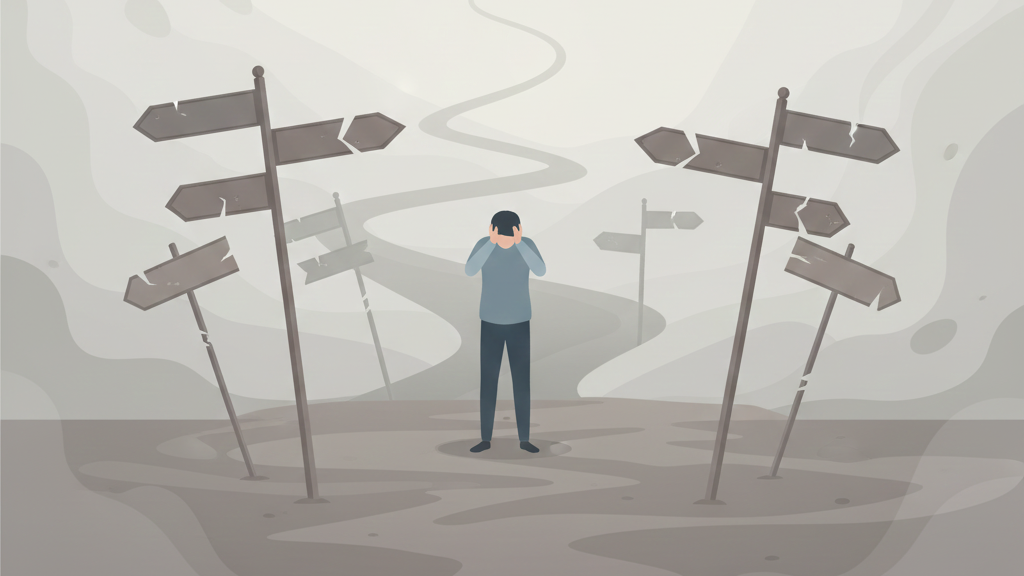
Many beginners aren’t even clear on exactly what they need to learn. Today they started SEO, tomorrow Facebook Ads, then Canva, then AI tools, then coding. Learning a little bit of everything doesn’t make one expert.
Success in a digital career comes when you choose a skill and work on it in depth. Without direction, learning can feel confusing, progress isn’t visible, and quitting can feel easy.
Discipline And Consistency
There is no boss in a digital career, no fixed office timings. This freedom sounds good, but because of this people also become lazy. Will learn today, skip tomorrow, person not in the mood – days pass like this.
Success requires more discipline than motivation. Those who keep doing a little work every day, move ahead in the long run. Without consistency even the best skills are of no use.
Comparison And Fear of Failure
Seeing the success of others on social media, people start comparing themselves. “That guy became successful in 6 months, why can’t I?” This comparison kills confidence.
Moreover, when the first client refuses, or the first project fails, people think, This is beyond me.The truth is that failure is a part of digital career, but people consider failure as the end, not the learning.
Income Instability And Financial Pressure
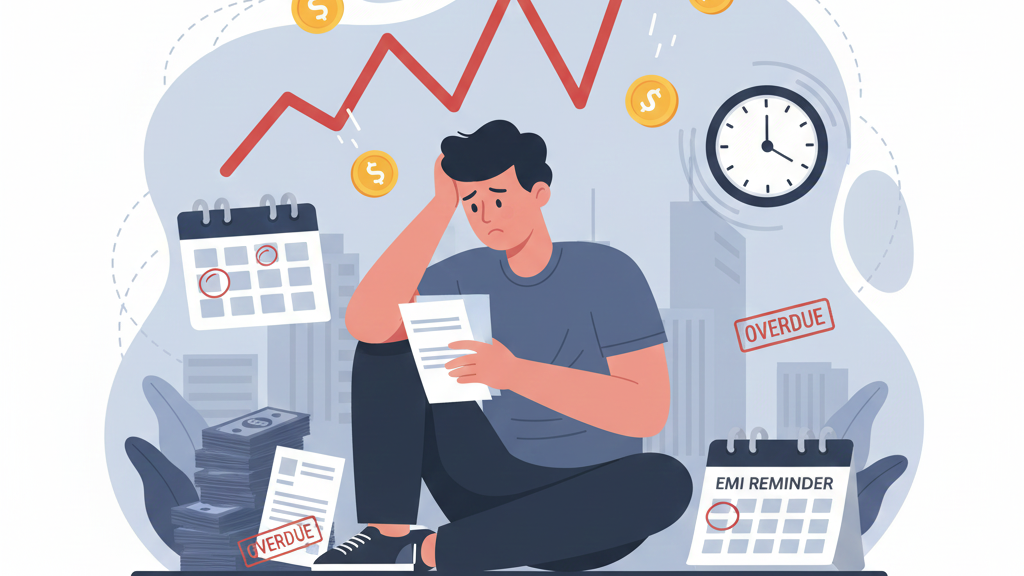
In the starting phase, a digital career doesn’t provide a stable income. Sometimes it works, sometimes it doesn’t. This phase is even tougher for Indian families, as there’s pressure from home to “get a fixed job.”
Many people can’t handle this pressure and end up returning to traditional jobs. Without a backup plan or patience, income instability becomes a major reason for quitting.
Overdependence on Tools and AI
Nowadays, people think that tools are everything. Canva, ChatGPT, automation tools—if you know how to use them, you’ll have a career. But tools only help; they can’t repla ce thinking.
When the basics aren’t clear—like marketing psychology, audience understanding, problem-solving—then tools seem useless. When the tool’s magic doesn’t work, people become demotivated.
Lack of mentorship and community
Learning alone can be frustrating. When doubts arise and there’s no one to guide you, confusion grows. Many people follow the wrong resources, work in the wrong direction, and get zero results.
The right mentor or community can save you years of time by protecting you from mistakes. Without this support, people feel stuck—and then quit.
Burnout And Overworking

Some people make the opposite mistake—working without breaks. Day and night, laptop, learning, freelancing, pressure—and then mental exhaustion. When there’s no balance, burnout sets in.
After burnout, people blame digital careers, when the real problem is overworking and poor planning.
Then why do some people become successful?
Successful people don’t come from a different planet. They face the same problems. The only difference is that they don’t quit.
They focus on one skill, accept slow growth, view failure as feedback, and enjoy the learning process. For them, a digital career isn’t an overnight success, but a long-term journey.
How You Can Avoid Quitting a Digital Career
If you want to be among those who survive and thrive in a digital career, first and foremost, keep your expectations realistic. Choose a skill and work on it for at least 6–12 months.
Don’t pursue certificates, pursue projects and real practice. Learn the fundamentals before the tools. Track weekly progress, don’t expect daily results. And most importantly—give yourself time.
Conclusion: A digital career isn’t easy, but it’s worth it.
Digital careers fail not because they’re useless, but because people lose patience. Those who wait a little longer are the ones who go on to become role models.
If you pursue them with consistency, learning, and patience, a digital career can become not just a job, but a lifestyle.
Digital careers don’t leave people—people leave digital careers quickly.
FAQ
FAQ 1: Why do most people quit digital careers?
Ans- Because they expect quick success and lose patience.
FAQ 2: How long does it take to succeed in a digital career?
Ans- Usually 6–12 months with consistent effort.
FAQ 3: Can you build a digital career without a degree?
Ans- Yes, skills matter more than degrees.
FAQ 4: What is the biggest mistake beginners make?
Ans- Trying to learn everything at once.
FAQ 5: What is the key to not quitting a digital career?
Ans- Consistency, patience, and daily practice.

Pingback: Consistency Formula for Digital Success - Mithila Digital...01
Pingback: Why Digital Career Is a Marathon, Not a Sprint | Long-Term..2026