

Perfect SEO – Search Engine Optimization is one of the most powerful ways to bring free, consistent, and high-quality traffic to your website. Whether you’re running a blog, an e-commerce store, a business site, or a personal brand website, mastering SEO can transform your online presence. In 2026, SEO has become even more important because competition is higher, search algorithms are smarter, and user expectations are increasing.
In this guide, you’ll learn step-by-step how to do SEO for your website—covering keyword research, on-page SEO, technical setup, off-page strategies, and everything needed to rank better on Google.
Understanding SEO Basics
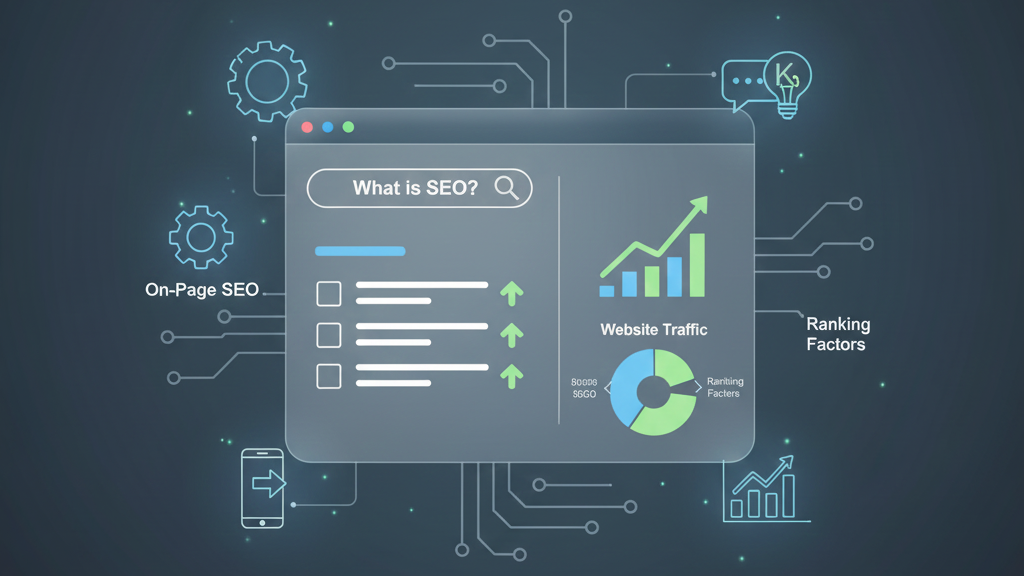
What Is SEO and How It Works
SEO stands for Search Engine Optimization. It is the process of improving your website so that search engines like Google can understand your content and rank it higher. When someone searches for something related to your site, good SEO helps your website appear on the first page.
SEO works by focusing on three key factors:
- Relevance: How closely your content matches what users are searching.
- Quality: Whether your content is helpful, clear, and provides value.
- Authority: How trustworthy and popular your website is, usually measured through backlinks.
When all three elements are strong, your website becomes easier to find and naturally gains more organic traffic.
Types of SEO (3-Core Structure)
SEO is mainly divided into three major categories:
- On-Page SEO: Optimising your content and website pages.
- Off-Page SEO: Activities done outside your website, like link-building.
- Technical SEO: Improving your site’s backend and performance.
Understanding these types helps you build a complete SEO strategy rather than just focusing on keywords or content alone.
Keyword Research – The Foundation of SEO
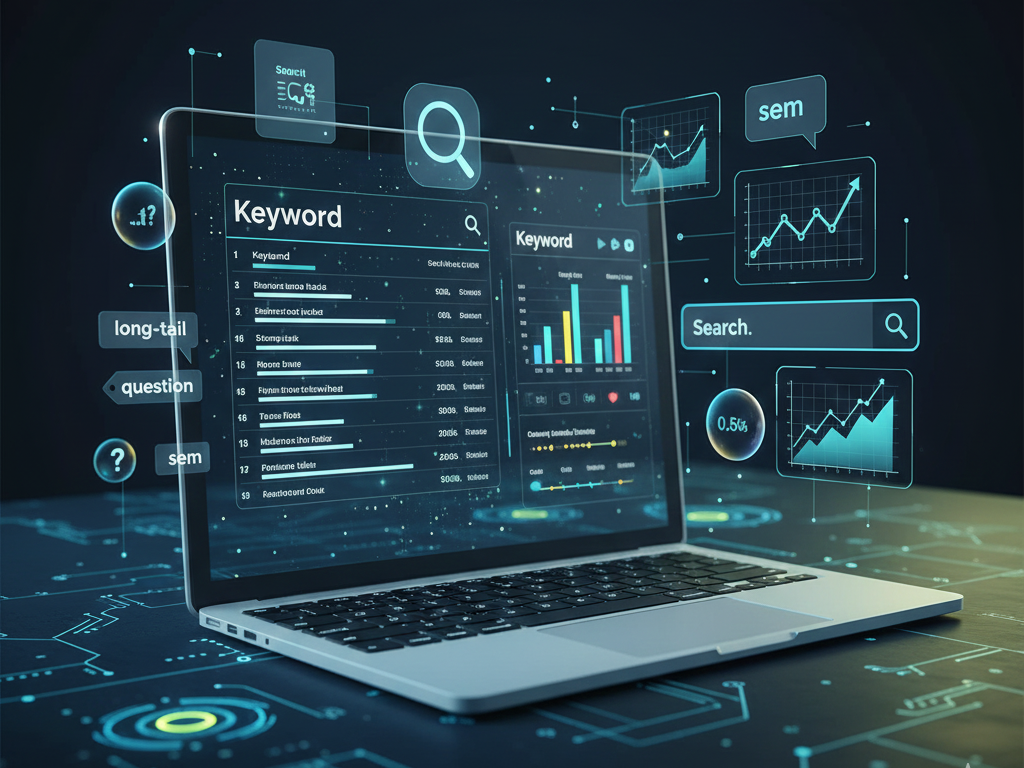
Why Keyword Research Matters
Every search begins with a keyword. If you target the right keywords, your website attracts the right audience. Without keyword research, your content may not match what people are actually searching for. This can result in low traffic and poor engagement.
How to Find Perfect Keywords
You can use both free and paid tools to find keywords:
- Google Keyword Planner – Free & perfect for beginners
- Ubersuggest – Affordable and easy to use
- Ahrefs / SEMrush – Professional-level keyword tools
- AI Research Tools – Provide quick keyword ideas
These tools help you check search volume, competition, and ranking difficulty.
Types of Keywords You Should Use
There are mainly two types:
- Short-Tail Key
- words – Broad keywords like “digital marketing”, high competition.
- Long-Tail Keywords – More specific like “best SEO tools for beginners in India”, low competition but high conversions.
Also understand:
- Informational keywords – people seeking knowledge
- Commercial keywords – people comparing options
- Transactional keywords – people ready to buy
A mix of all three improves your ranking potential.
How to Pick the Best Keywords
To choose the perfect keyword:
- Make sure it has good search volume
- Choose low or medium competition
- Check if the keyword matches user intent
- Make sure the keyword is relevant to your business or content
When your content matches user intent, Google automatically prefers your website over others.
On-Page SEO – Make Google Rank Your Content

Powerful Title Optimisation
Your title is the first thing both Google and readers see.
A SEO title should:
- Include your main keyword
- Be easy to understand
- Look attractive to click
For example:
“How to Do Perfect SEO for Your Website in 2026 – Complete Guide”
Writing a Strong Meta Description
Meta description gives a summary of your page.
It should:
- Use your keyword
- Explain the benefit of reading
- Stay within 155 characters
A good meta description increases your click-through rate.
Clean and Simple URL Structure
Your URL should be short and focused.
Example:yourwebsite.com/perfect-seo-for-website
Avoid long or complicated links.
Smart Use of Header Tags (H1, H2, H3)
Header tags help Google understand your content structure.
- H1 → Main title
- H2 → Main sections
- H3 → Sub-sections
Using proper headers improves readability and SEO.
Content Optimisation
Your content is the heart of your website.
A perfectly optimised content piece includes:
- Natural keyword placement
- Short paragraphs
- Clear explanations
- Images and examples for better engagement
- A strong introduction and conclusion
Aim to answer every possible question related to the topic.
Internal Linking Strategy
Add links to other related pages on your website.
Benefits:
- Helps Google crawl your site better
- Keeps users on your website longer
- Passes authority between pages
Image SEO
Use:
- Alt text describing the image
- Compressed image size
- Proper file names like “SEO-guide-2026.png”
Images that load fast improve your ranking.
User Experience (UX)
Google gives more ranking to websites that offer a good experience.
Make sure your site:
- Loads fast
- Looks clean
- Works perfectly on mobile
- Has good spacing, colors, and readability
Great UX means better SEO.
Technical SEO – Improve Your Site’s Health
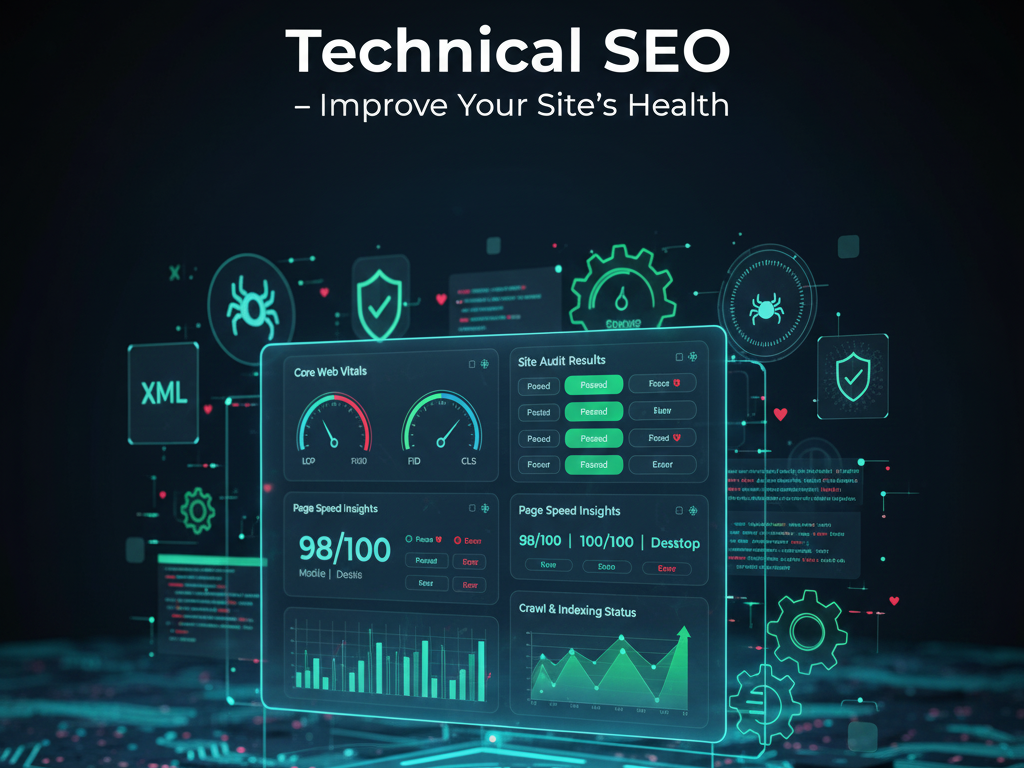
Fast Website Speed
Speed is a major ranking factor.
Test your speed using:
- Google PageSpeed Insights
- GTmetrix
Improve speed by:
- Compressing images
- Using a fast hosting provider
- Reducing unnecessary plugins
- Enabling caching and CDN
Mobile-Friendliness
More than 70% users browse using mobile devices.
Your website must be:
- Responsive
- Easy to navigate
- Fast on mobile
Google indexes mobile versions first.
XML Sitemap
Your sitemap helps Google discover your website’s structure.
Make sure it is updated and submitted to Google Search Console.
Robots.txt
This file tells search engines which pages to crawl and which to skip.
Keep it clean and error-free.
SSL Certificate (HTTPS)
HTTPS makes your website secure.
Google ranks secure websites higher.
A site without HTTPS may show “Not Secure” warning to visitors.
Site Structure and Navigation
Use:
- Clear categories
- Breadcrumbs
- Logical linking
A well-organized structure helps both users and search engines.
Fixing Common Technical Errors
Check for:
- Broken links
- Duplicate content
- Crawling issues
- Redirect errors
Fixing these improves overall SEO performance.
Off-Page SEO – Build Your Website Authority
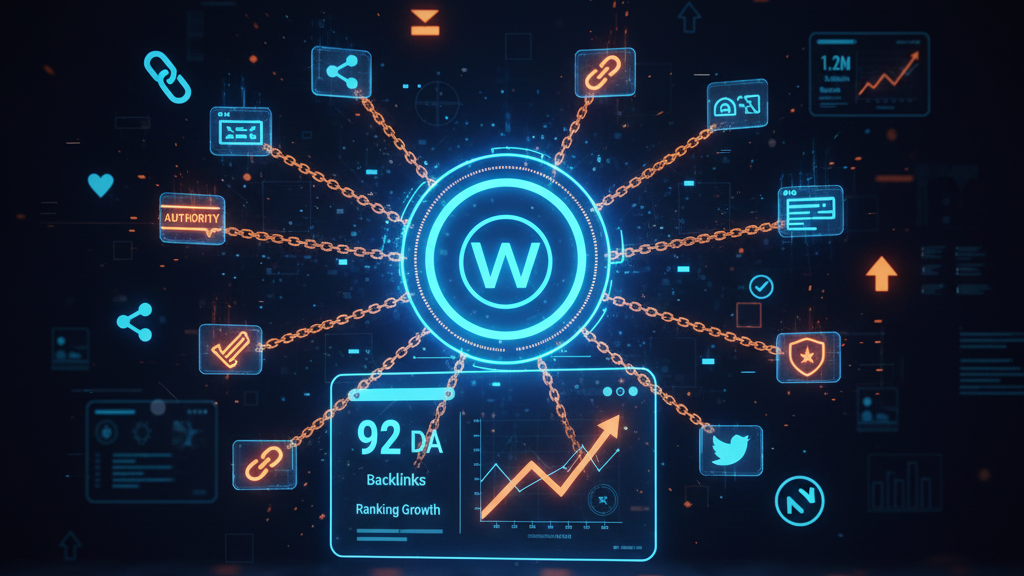
What Is Off-Page SEO?
Off-page SEO includes all activities done outside your website to improve its reputation and authority.
Google rewards websites that other sites trust.
Smart Link-Building Strategies
High-quality backlinks are one of the strongest ranking factors.
You can build backlinks through:
- Guest posting on other blogs
- PR submissions
- Social media sharing
- Local business directories
- HARO (Help A Reporter Out)
Always aim for quality, not quantity.
Social Signals
Engagement on platforms like Facebook, Instagram, YouTube, LinkedIn helps build your online presence.
Social signals show Google that people trust your brand.
Brand Mentions
When people talk about your business online—even without linking—it still adds authority.
This builds trust and helps long-term ranking.
Local SEO – Essential for Local Businesses

If your business serves a specific location, Local SEO is important.
Google My Business
Setup
Create and verify your business profile.
Add:
- Photos
- Business details
- Working hours
- Service areas
Keep everything accurate.
Local Citations
List your business on:
- Justdial
- IndiaMART
Make sure your Name, Address, Phone number (NAP) is the same everywhere.
Local Keywords
Use keywords like:
- “Best digital marketing service in Delhi”
- “SEO expert near me”
Local keywords help your website appear in regional searches.
Bonus Tips for Perfect SEO in 2026

- Avoid keyword stuffing
- Update old content regularly
- Add FAQ schema for higher visibility
- Show expertise, trust, and experience (E-E-A-T)
- Analyse your growth in Google Search Console
- Publish consistently
- Use internal linking to strengthen weak pages
Small improvements consistently create big results over time.
Conclusion
SEO is not a one-time task; it is a continuous process. When you follow the right strategy—keyword research, on-page optimisation, technical fixes, and off-page authority—you naturally improve your website’s ranking. The most important thing in 2026 is to stay updated with SEO trends and always focus on user experience. If your content is genuinely helpful, Google will reward you with higher visibility.
“Have questions or want to grow your business online? Contact us today and let our digital marketing experts help you achieve real results!”

Pingback: Website Security: Why Protecting Your Website Is compulsory ! #1
Pingback: Local SEO & Online Growth for Business-Darbhanga/Bihar 2026
Pingback: WordPress vs Shopify: Which Is Better for Indian Businesses-2026