Running a local business is not easy today. Customers have many options, competition is increasing, and people now search online before visiting any shop or service. Whether you own a grocery store, salon, coaching center, clinic, restaurant, or service-based business, you need a strong local business marketing strategy to grow consistently.
Local business marketing is not just about advertisements. It is about being visible when nearby customers search for your services, building trust, and converting local searches into real sales. In this blog, you will learn practical and easy local marketing strategies that actually work in today’s digital world.
What Is Local Business Marketing?
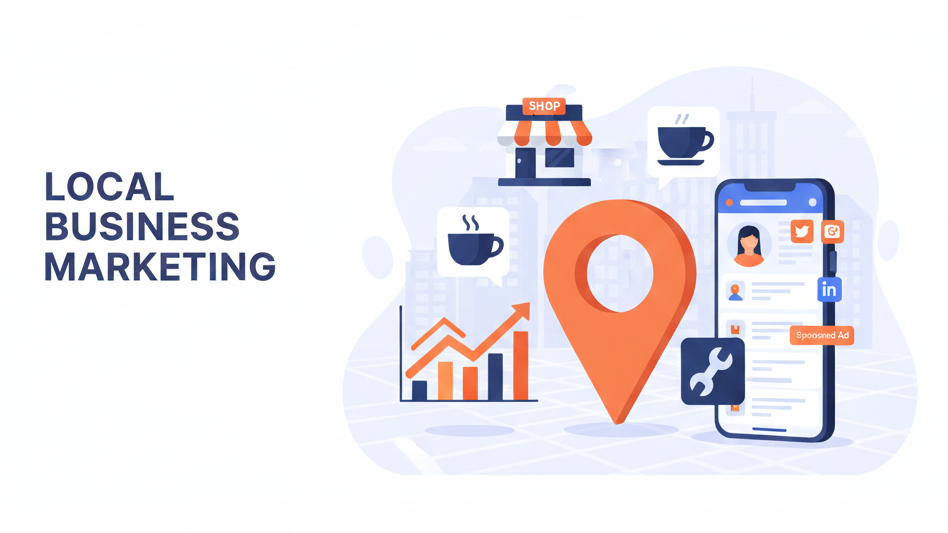
Local business marketing is a strategy focused on promoting products or services to customers in a specific geographic area. The main goal is to attract nearby people who are most likely to visit your store, call you, or book your service.
Unlike general digital marketing, local marketing targets people based on location. For example, instead of targeting “best digital marketing agency,” a local strategy targets “best digital marketing agency in Darbhanga” or “near me” searches. This approach helps small and medium businesses compete with bigger brands and marketplaces.
Local marketing combines both online and offline efforts such as Google My Business, local SEO, social media, paid ads, word-of-mouth, and customer reviews.
Why Local Business Marketing Is Important in 2026
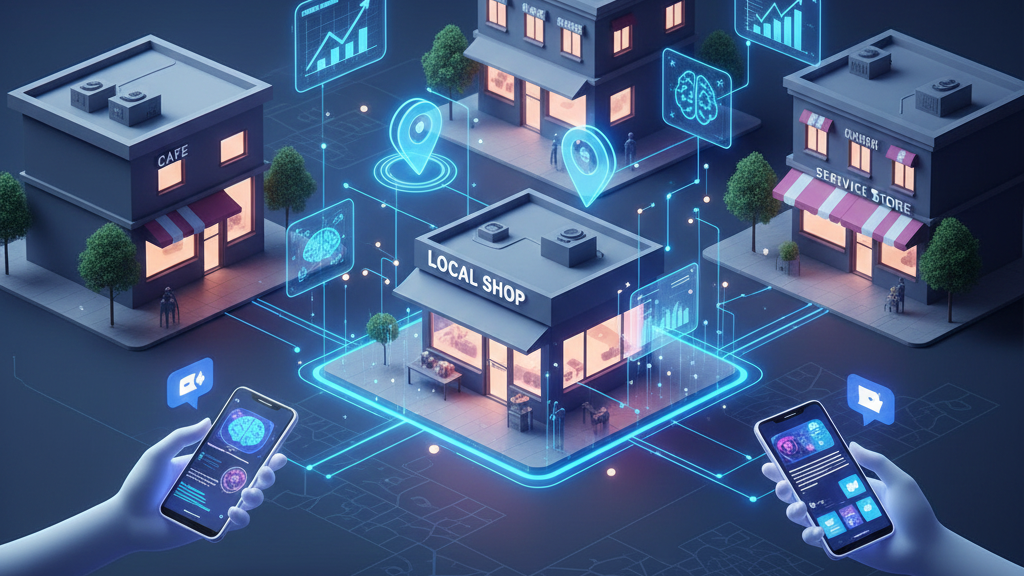
Local business marketing is more important than ever because customer behavior has changed. Today, people rely heavily on smartphones and the internet to find nearby businesses.
Most customers search phrases like “restaurant near me,” “doctor near me,” or “best salon in my area” before making a decision. Google Maps, voice search, and local listings play a big role in these searches. If your business is not visible online, customers may never find you.
Another reason local marketing is important is trust. People prefer local businesses that have good reviews, clear contact details, and an active online presence. A strong local marketing strategy helps you build credibility and stay ahead of competitors in your area.
Know Your Local Target Audience
Before starting any marketing activity, you must understand your local audience clearly. Knowing who your customers are helps you create the right message and choose the best platforms.
Identify Your Ideal Customer
Think about who usually buys from you. Consider their age, location, income level, profession, and needs. For example, a coaching center may target students and parents, while a salon may target working professionals and young adults.
Understand Local Buying Behavior
Local customers often search online before visiting a store. They compare prices, check reviews, and look at photos. Understanding these habits helps you design better offers and content that connects with them.
Google My Business Optimization Strategy
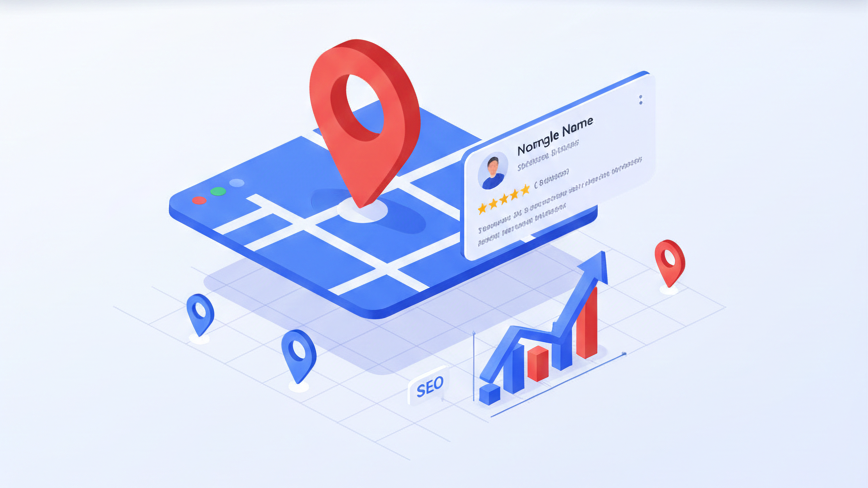
Google My Business (Now called Google Business Profile) is one of the most powerful tools for local businesses. A well-optimized profile can bring free leads, calls, and store visits.
Start by creating or claiming your Google Business Profile and completing every detail correctly. Ensure your business name, address, and phone number are accurate and consistent everywhere online. Choose the right business category and add all your services.
Upload high-quality photos of your store, team, products, and work. Post updates regularly such as offers, announcements, or events. Encourage customers to leave reviews and always reply politely, even to negative feedback. This builds trust and improves local rankings.
Local SEO Strategy for Small Businesses
Local SEO helps your business appear in local search results when customers look for services near them. It is one of the most cost-effective marketing strategies for local businesses.
Use Local Keywords
Use keywords that include your service and location, such as “best bakery in Patna” or “plumber in Darbhanga.” These keywords should be used naturally in your website content, headings, and meta descriptions.
On-Page Local SEO
Optimize your website pages with proper titles, descriptions, and headings. Create location-specific pages if you serve multiple areas. Add schema markup to help search engines understand your business details.
Build Local Citations
List your business on trusted local directories like Justdial, IndiaMART, Sulekha, and Google Maps. Make sure your business details are the same everywhere.
Website Optimization for Local Customers
Your website acts as your digital shop. Even for local businesses, having a simple and professional website builds credibility and trust.
Ensure your website is mobile-friendly because most local searches happen on smartphones. The site should load fast and be easy to navigate. Display your contact number, address, and business hours clearly. Add click-to-call buttons and embed Google Maps so customers can easily reach you.
A well-optimized website helps convert visitors into real customers.
Social Media Marketing for Local Businesses
Social media platforms like Facebook, Instagram, and WhatsApp Business are excellent tools for connecting with local customers.
Post content that feels local and personal. Share customer testimonials, behind-the-scenes moments, offers, festivals greetings, and daily updates. Engage with comments and messages quickly. Consistency is more important than posting frequently.
WhatsApp Business is especially powerful for local communication. It allows you to share catalogs, send updates, and build long-term relationships with customers.
Paid Advertising for Local Reach
Paid ads can help you get quick visibility, especially when you are starting or running offers. Google Search Ads and Google Maps Ads are very effective for local intent searches.
Facebook and Instagram ads also work well when you target people based on location, age, and interests. You don’t need a big budget. Even a small daily budget can bring good results if campaigns are properly targeted and optimized.
Always track results and improve ads based on performance.
Offline Marketing Still Matters
Even in the digital age, offline marketing is still useful for local businesses. Flyers, banners, visiting cards, and local event sponsorships help increase brand awareness.
Word-of-mouth marketing is extremely powerful. Encourage satisfied customers to refer your business to friends and family. Referral programs and local partnerships can also help expand your reach.
Online Reviews & Reputation Management
Online reviews play a major role in customer decisions. Many people trust reviews as much as personal recommendations.
Ask happy customers to leave reviews on Google and other platforms. Make the process easy by sharing review links. Respond to all reviews professionally and thank customers for positive feedback. If you receive a negative review, handle it calmly and try to resolve the issue.
A good online reputation increases trust and attracts more customers.
Measure & Improve Your Local Marketing Performance

Tracking performance helps you understand what is working and what needs improvement. Use tools like Google Analytics, Google Search Console, and Google Business Profile insights.
Monitor website traffic, calls, direction requests, and customer inquiries. Regular analysis helps you refine your strategy and improve results over time.
Common Mistakes Local Businesses Should Avoid
Many local businesses fail to grow because of simple mistakes. Ignoring Google My Business, having no website, inconsistent contact details, and not responding to customers can harm your brand.
Another mistake is expecting instant results. Local marketing takes time and consistency. Focus on long-term growth instead of quick shortcuts.
Conclusion
A strong local business marketing strategy is the foundation of sustainable growth. By combining Google My Business optimization, local SEO, social media, paid ads, and offline efforts, you can attract more nearby customers and build a trusted local brand.
Start small, stay consistent, and focus on providing real value to your customers. With the right strategy, local businesses can compete effectively and grow successfully in 2026 and beyond.
01. What is local business marketing?
Ans- It’s the process of promoting your business to nearby customers to increase calls, visits, and sales.
02. Which marketing works best for local businesses?
Ans- Google My Business, local SEO, and social media give the best results.
03.Is Google My Business really free?
Ans- Yes, it’s 100% free and helps customers find you on Google and Maps.
04. Do small businesses need a website?
Ans- Yes, a website builds trust and converts local searches into customers.
05. How fast does local marketing show results?
Ans- Basic results can appear in 2–4 weeks with consistent efforts.