
In today’s digital-first world, the way patients choose doctors, clinics, and hospitals has completely changed. Previously, people relied on word-of-mouth or local references, but now most patients search online before booking an appointment. They check Google reviews, visit websites, watch videos, and even follow doctors on social media to build trust. This is where digital marketing becomes crucial for doctors, clinics, and hospitals. Digital marketing is no longer just about promotion; it’s about educating patients, building credibility, and staying visible in a competitive healthcare environment. In this blog, we’ll explore how healthcare professionals can effectively and effectively use digital marketing to grow their practices and attract more patients.
Why Digital Marketing Is Important for Doctors & Hospitals Today
Digital marketing for healthcare has become essential because patients are now digitally savvy. When someone feels sick, the first thing they do is search for their symptoms or find a nearby specialist on Google. If your clinic or hospital doesn’t appear in search results, you’re losing potential patients to competitors who appear online. Digital marketing helps doctors reach patients exactly when they’re looking for medical help.
Another major reason digital marketing matters is trust. Patients seek confidence before choosing a doctor. A professional website, positive online reviews, informative blogs, and an active social media presence all help build trust. For hospitals and clinics, digital platforms also help clearly communicate services, reduce friction in appointment booking, and improve the patient experience. Simply put, digital marketing connects healthcare providers with patients in a more transparent, easy, and reliable way.
Challenges in Healthcare Digital Marketing
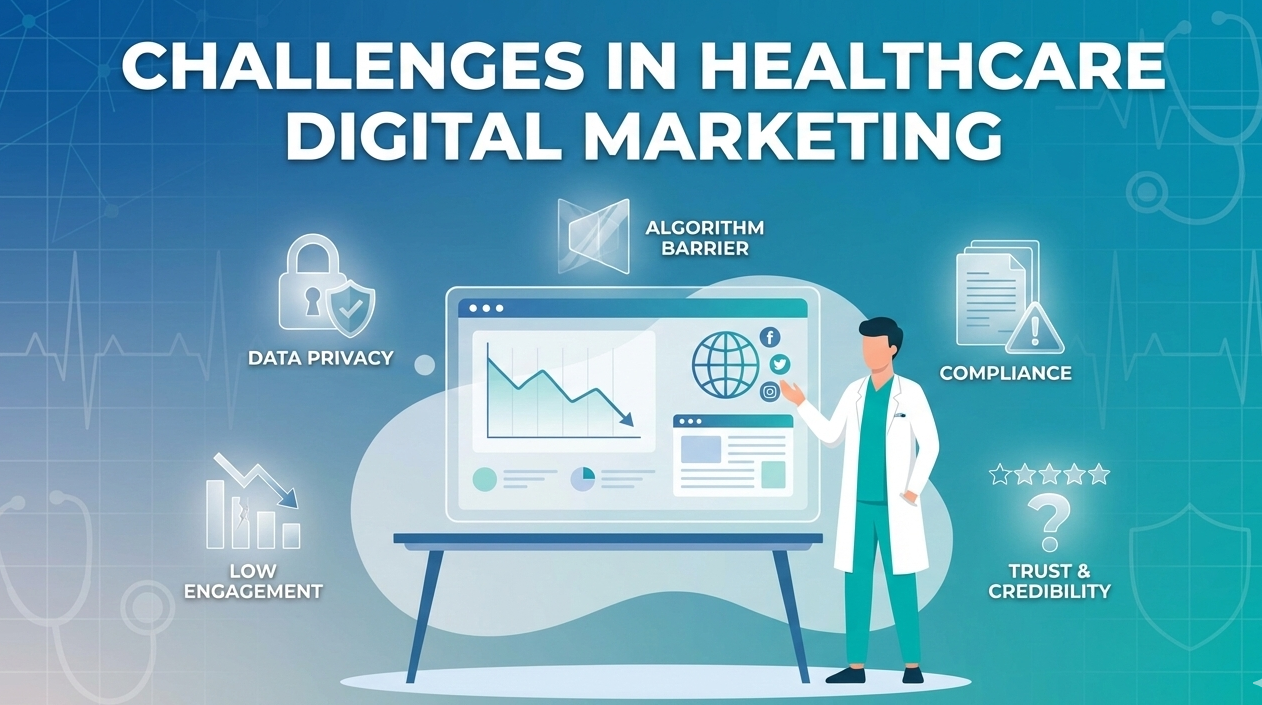
Healthcare digital marketing is different from other industries and presents its own challenges. One of the biggest challenges is strict advertising regulations. Doctors and hospitals must adhere to Medical Council guidelines and avoid misleading claims, exaggerated results, or false promotions. Trust in the healthcare field is very sensitive, and even small mistakes can damage reputations.
Another challenge is handling patient privacy and sensitive information. Healthcare websites and marketing campaigns must ensure data protection and confidentiality. Furthermore, competition is intense in urban areas, where many clinics and hospitals target the same audience. Due to these challenges, healthcare digital marketing must be ethical, informative, patient-focused, and compliant.
Website Optimization for Doctors & Clinics
A website is the foundation of digital marketing for doctors and hospitals. It serves as a digital clinic, where patients get their first impression. A well-optimized medical website should be fast, mobile-friendly, and easy to navigate. Since many patients search on mobile phones, responsiveness is crucial.
Services, specialties, doctor profiles, qualifications, clinic timings, and contact details should be clearly stated on the website. Online appointment booking or inquiry forms make it easy for patients to take action. Adding Google Map locations, emergency contact numbers, and clear call-to-action buttons improves usability. Patient testimonials, which are accurate and honest, also help build trust. From an SEO perspective, accurate headings, optimized content, and fast loading speeds help a website rank higher on Google.
Local SEO for Doctors & Clinics
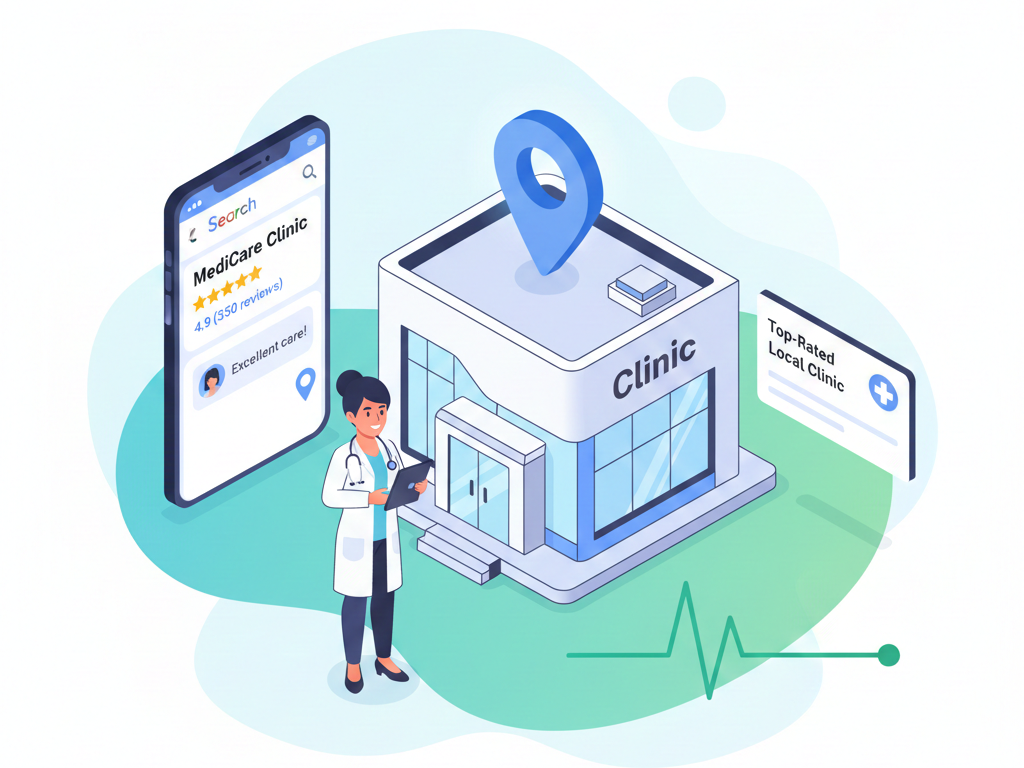
Local SEO is one of the most powerful digital marketing strategies for doctors, clinics, and hospitals. Most patients search using location-based keywords like “best dentist near me” or “orthopedic doctor in Darbhanga.” If your clinic appears in these searches, your chances of getting an appointment increase significantly.
Optimizing your Google Business profile is the first step in local SEO. This includes updating the clinic’s name, address, phone number, hours, photos, and services. Consistency across all online directories is crucial. Patient reviews play a crucial role in local rankings, so encouraging happy patients to leave genuine reviews is crucial. Local SEO also includes using city-specific keywords on your website and creating locally relevant content. When done correctly, local SEO brings in highly targeted and converting patients.
Content Marketing for Healthcare Professionals
Content marketing is one of the most ethical and effective ways to approach digital marketing in healthcare. Rather than directly selling services, content marketing focuses on providing information to patients. Blogs, articles, FAQs, and videos help answer common patient questions and reduce fear or confusion surrounding medical problems.
Doctors can write blogs on symptoms, prevention tips, treatment options, and aftercare advice. Hospitals can create educational content about health awareness campaigns or common procedures. This type of content not only builds trust but also improves search engine rankings. When patients find helpful and accurate information on your website, they are more likely to choose your services over others.
Social Media Marketing for Doctors & Hospitals
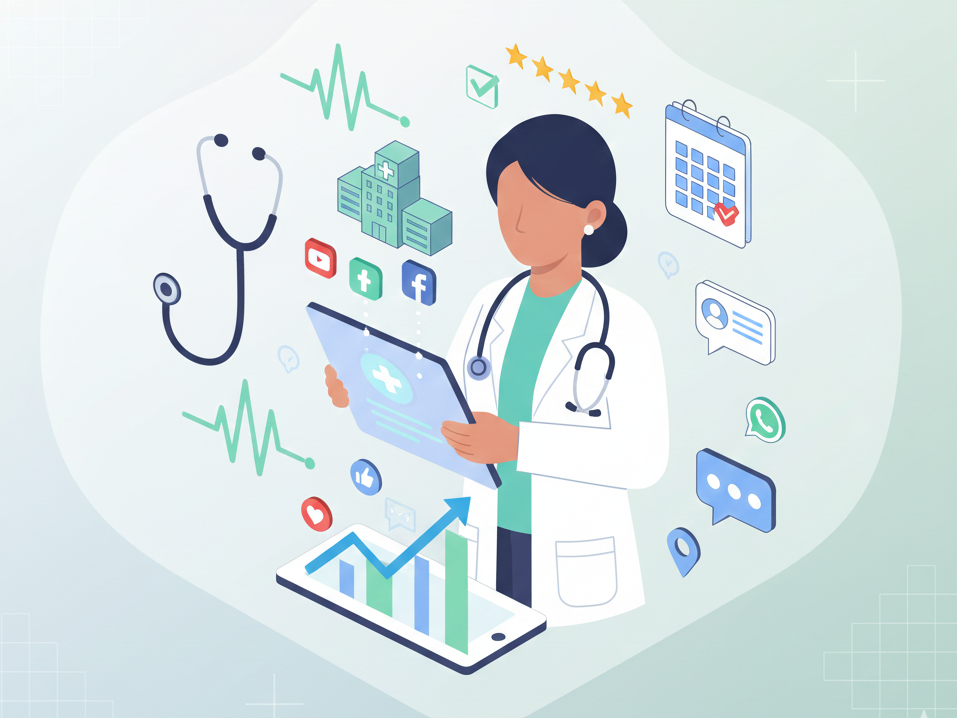
Social media has become a powerful channel of communication for healthcare providers. Platforms like Instagram, Facebook, YouTube, and LinkedIn help doctors and hospitals connect with patients in a more human and accessible way. The purpose of social media is not aggressive promotion, but rather awareness and education.
Doctors can share health tips, preventative care advice, awareness posts, and short explainer videos. Clinics can post updates about services, camps, or new facilities. Hospitals can use LinkedIn for professional branding and recruitment. Consistency and authenticity are essential. Avoid making medical claims or guarantees, and always ensure that content is informative, ethical, and respectful.
Paid Advertising for Healthcare: Google Ads & Meta Ads
Paid advertising can yield quick results when done carefully. Google Search Ads are very effective for doctors and clinics because they target users who are actively searching for medical services. For example, ads for “skin specialist near me” or “emergency hospital” can generate immediate leads.
Facebook and Instagram are useful for AIDS awareness campaigns, health camps, and preventative care promotions. Location-based targeting helps reach the right audience within a specific radius. However, healthcare ads must strictly adhere to advertising policies. Clear messaging, transparent information, and ethical targeting are essential. When managed properly, paid ads can complement organic digital marketing efforts and increase patient flow.
Online Reputation & Review Management
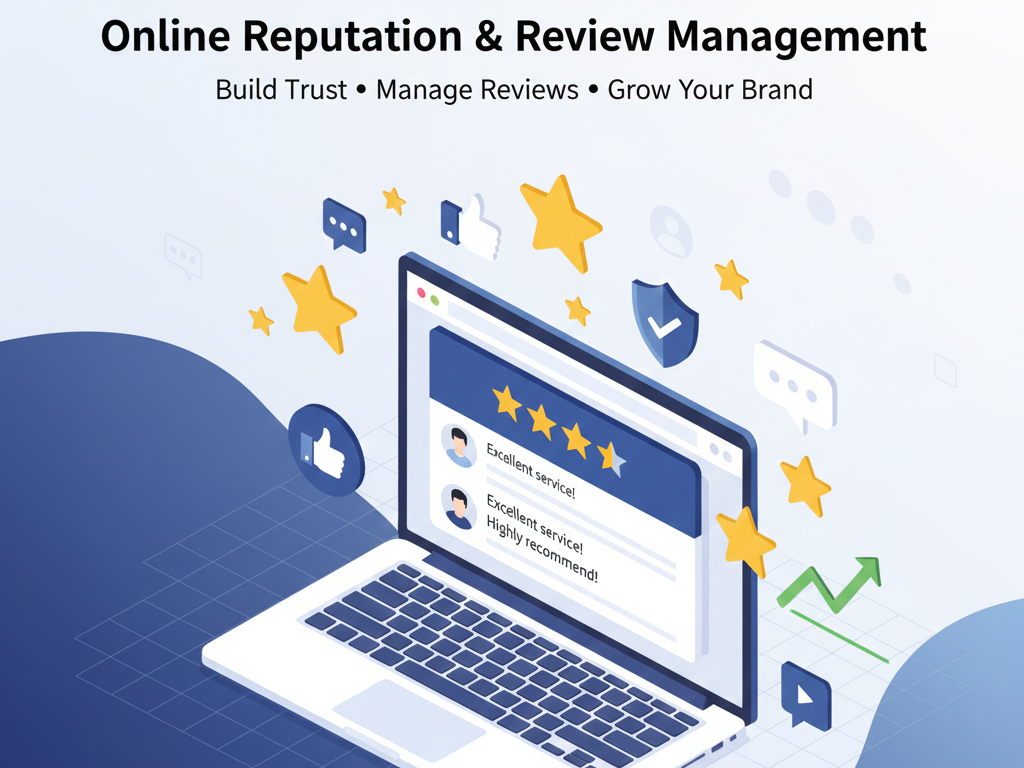
In healthcare, online reputation can make or break a job. Many patients read reviews before booking an appointment. Positive reviews build trust, while negative reviews can create suspicion. Doctors and clinics should encourage happy patients to leave genuine feedback on Google and other platforms.
Responding to reviews professionally, even if they are negative, demonstrates care and responsibility. Never publicly argue or share patient information. Express concerns politely and offer solutions when possible. A well-managed online reputation strengthens trust and improves local SEO performance.
Data Privacy, Ethics & Compliance in Medical Marketing
Ethics and compliance are the backbone of healthcare digital marketing. Patient data must be kept secure, and consent should always be obtained before collecting or using personal information. Websites should follow basic data protection practices, such as secure forms and privacy policies.
Marketing content should avoid false promises, exaggerated success rates, or fear-based messaging. Doctors and hospitals must follow medical council and advertising guidelines at all times. Ethical marketing builds long-term trust and protects both patients and healthcare providers.
How Doctors & Hospitals Can Start Digital Marketing
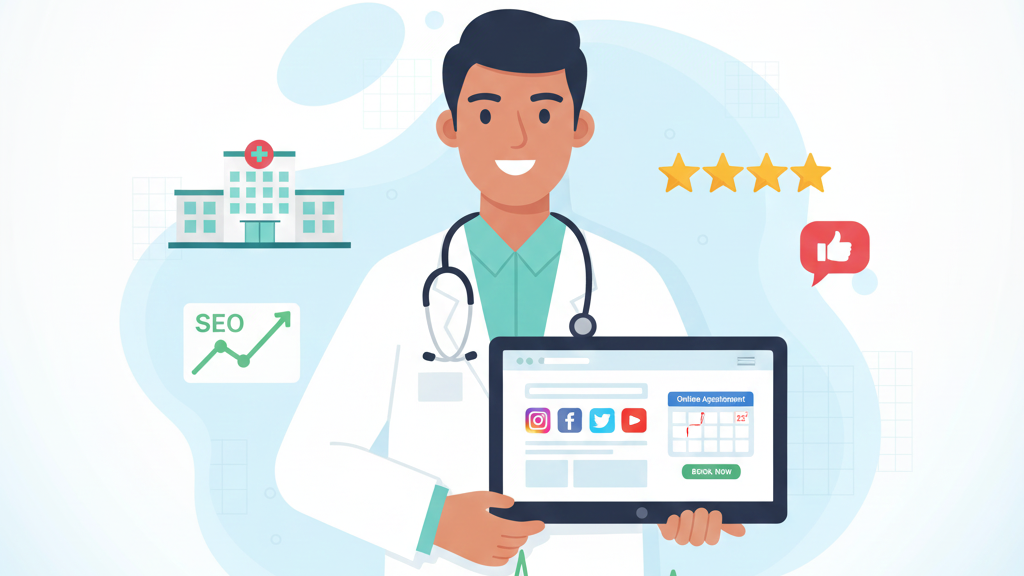
Getting started in digital marketing isn’t difficult. The first step is to create a professional website that clearly communicates your services and values. Next, optimize your Google Business Profile and focus on local SEO. Creating educational content through blogs and videos helps build authority and trust.
Social media can be used for awareness, while paid ads can be introduced gradually for targeted campaigns. Tracking performance through analytics helps understand what works and what needs improvement. Most importantly, digital marketing should always be patient-centric, ethical, and consistent.
Final Thoughts
Digital marketing for doctors, clinics, and hospitals is no longer optional—it’s a necessity in today’s healthcare environment. Patients expect accurate information, easy access, and transparency when choosing a healthcare provider. By using digital marketing correctly and strategically, doctors and hospitals can increase their visibility, build trust, and grow sustainably. The goal isn’t just more appointments, but also better patient relationships and long-lasting credibility. When done correctly, digital marketing becomes a powerful tool to better serve patients and responsibly grow your medical practice.
Is digital marketing safe and legal for doctors?
Yes, if done ethically and as per medical advertising guidelines.
What is the fastest way for doctors to get patients online?
Local SEO and Google Search Ads give the quickest results.
Do small clinics really need digital marketing?
Yes, even small clinics can attract more local patients online.
Which platform works best for healthcare marketing?
Google works best for patient search, social media for awareness.
How soon can doctors see results from digital marketing?
Ads work instantly, SEO shows strong results in 3–6 months.