
In today’s digital-first world, a website is more than just an online presence—it is the backbone of your brand, business, and credibility. Whether you are running a small blog, an e‑commerce store, a corporate website, or a service-based business, website security has become a critical priority. Cyber threats are growing rapidly, and even a single security breach can cause serious financial loss, reputational damage, and loss of customer trust.
This detailed guide explains the importance of website security, common threats, real-world consequences of poor security, and best practices to keep your website safe. If you want to rank well on Google and build long-term trust with users, website security is not optional—it is essential.
What Is Website Security?
Website security refers to the measures, tools, and practices used to protect a website from cyber threats such as hacking, malware infections, data theft, spam attacks, and unauthorized access. It involves securing your website’s code, server, databases, user data, and communication channels.
A secure website ensures that sensitive information—such as login credentials, personal data, payment details, and business information—remains protected from cyber criminals. Website security is not just about technology; it is also about regular monitoring, updates, and responsible management.
Why Website Security Is So Important
Website security is important for every website, regardless of size or industry. Many people believe hackers only target large companies, but in reality, small and medium websites are often the easiest targets. Here’s why website security matters more than ever.
Protects Sensitive User Data
Websites often collect personal information such as names, email addresses, phone numbers, passwords, and payment details. If your website is not secure, this data can be stolen and misused. A single data breach can expose thousands of users, leading to legal trouble and loss of trust.
When users feel safe sharing their information on your website, they are more likely to engage, sign up, and make purchases. Strong security builds confidence and long-term loyalty.
Prevents Financial Loss
Cyberattacks can be extremely costly. Hackers may steal money directly, redirect payments, inject malicious ads, or shut down your website completely. For e‑commerce businesses, downtime or payment fraud can result in massive revenue loss.
Even non‑e‑commerce websites face costs such as website repair, recovery services, legal penalties, and lost business opportunities. Investing in website security is far cheaper than dealing with the consequences of an attack.
Maintains Brand Reputation and Trust
Your website represents your brand. If visitors see security warnings, malware alerts, or suspicious behavior, they will immediately lose trust. A hacked website can damage your brand image overnight.
Once trust is broken, it is very difficult to rebuild. Secure websites show professionalism, reliability, and responsibility—qualities that customers value deeply.
Improves SEO and Google Rankings
Website security directly affects search engine optimization (SEO). Google prioritizes secure websites and clearly states that HTTPS is a ranking factor. Websites infected with malware or phishing content may be blacklisted or removed from search results entirely.
If Google detects security issues on your site, it may show warning messages to users, which drastically reduces traffic. A secure website helps maintain rankings, organic traffic, and search visibility.
Ensures Business Continuity
Cyberattacks can cause website downtime, data loss, and service disruption. For businesses that rely on their website for leads, sales, or customer support, even a few hours of downtime can be damaging.
Strong website security ensures uninterrupted operations and protects your business from unexpected shutdowns.
Common Website Security Threats You Should Know
Understanding common threats helps you take better preventive action. Below are the most frequent website security risks.
Malware Attacks
Malware is malicious software designed to damage, disrupt, or gain unauthorized access to websites. It can inject spam links, redirect visitors, or steal sensitive data without your knowledge.
Phishing Attacks
Phishing attacks trick users into sharing confidential information by impersonating trusted sources. Hackers may create fake login pages or emails linked to your website, harming your brand and users.
SQL Injection
SQL injection attacks exploit vulnerabilities in website forms or databases, allowing hackers to access, modify, or delete database information.
Brute Force Attacks
In brute force attacks, hackers try thousands of username and password combinations to gain admin access. Weak passwords make this attack very effective.
DDoS Attacks
Distributed Denial of Service (DDoS) attacks flood a website with fake traffic, causing slow performance or complete downtime.
Consequences of Poor Website Security
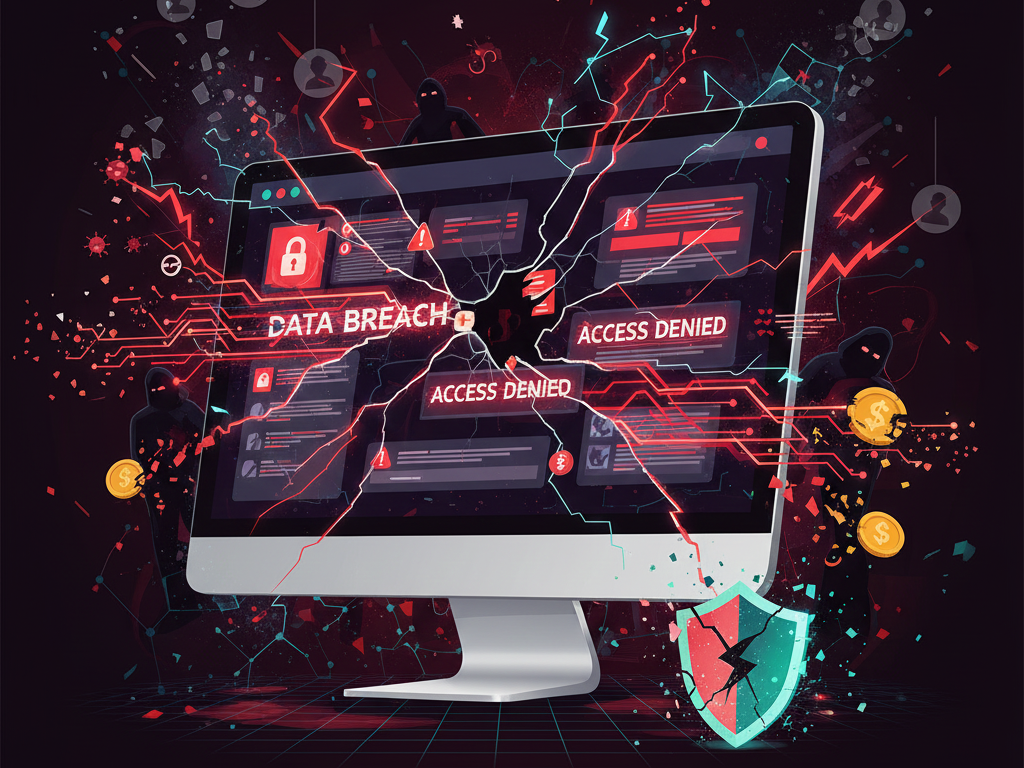
Ignoring website security can lead to severe long-term damage. Many website owners realize the importance of security only after an attack happens.
A hacked website can lose search engine rankings, customer trust, and revenue. Data breaches may result in legal action, fines, and compliance issues, especially if user data is involved. Recovery can take weeks or months, and some businesses never fully recover.
Best Practices to Improve Website Security
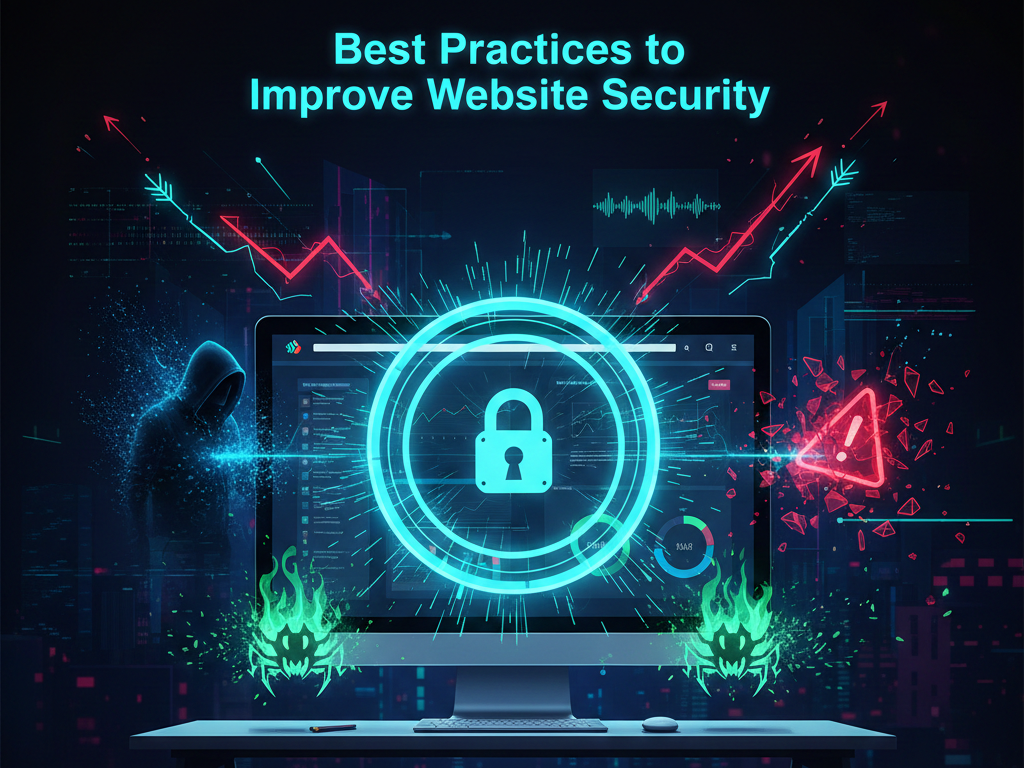
Implementing strong security measures does not have to be complicated. Here are essential steps every website owner should follow.
Use HTTPS and SSL Certificates
An SSL certificate encrypts data exchanged between the user’s browser and your website. HTTPS protects sensitive information and is essential for SEO and user trust.
Keep Software and Plugins Updated
Outdated software is one of the biggest security risks. Regularly update your CMS, themes, plugins, and server software to fix known vulnerabilities.
Use Strong Passwords and Two-Factor Authentication
Weak passwords make hacking easy. Use strong, unique passwords and enable two-factor authentication (2FA) for admin access.
Regular Website Backups
Frequent backups ensure that you can restore your website quickly in case of an attack or data loss. Always store backups securely.
Install a Web Application Firewall (WAF)
A WAF blocks malicious traffic and protects your website from common attacks such as SQL injection and XSS.
Limit User Access
Only give access to people who really need it. Restrict admin privileges and remove unused accounts.
Monitor and Scan Your Website Regularly
Regular security scans help detect malware, vulnerabilities, and suspicious activity before serious damage occurs.
Website Security and User Experience
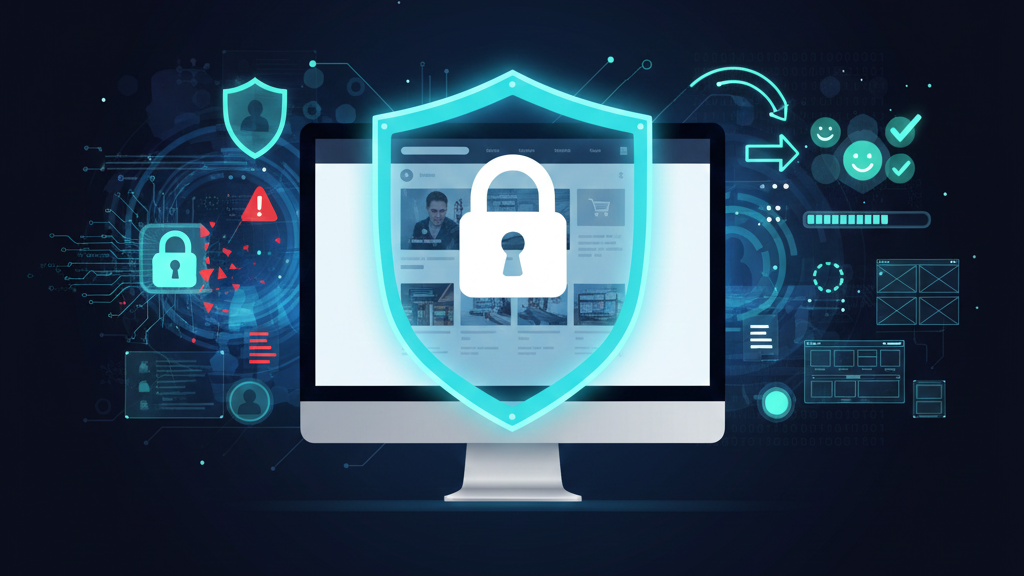
A secure website also provides a better user experience. Fast loading times, trust signals, and safe browsing encourage users to stay longer and engage more. Security warnings, on the other hand, increase bounce rates and reduce conversions.
Google values user experience, and secure websites naturally perform better in search rankings.
Future of Website Security
As technology evolves, cyber threats are becoming more advanced. Artificial intelligence, automation, and cloud-based systems are changing how security is managed. Website owners must stay updated with modern security solutions and proactive strategies.
Website security is not a one-time setup—it is an ongoing process that requires continuous improvement and awareness.
Final Thoughts: Why Website Security Should Be a Top Priority
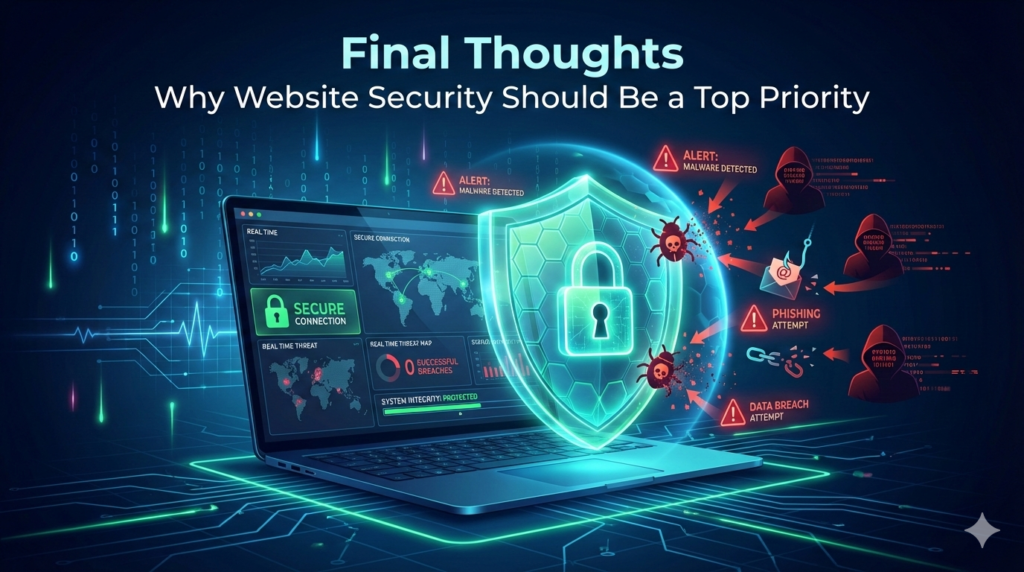
The importance of website security cannot be overstated. It protects your users, your business, your brand reputation, and your search engine rankings. In a highly competitive digital landscape, a secure website gives you a strong advantage.
No matter how small or large your website is, investing in security today can save you from massive losses tomorrow. Make website security a core part of your digital strategy and build a safe, trustworthy online presence that stands the test of time.
Frequently Asked Questions (FAQs) – Website Security
1. Why is website security important for SEO?
Website security is important for SEO because Google prioritizes secure websites in search rankings. HTTPS is a confirmed ranking factor, and websites infected with malware or phishing content can be penalized or removed from search results. A secure website improves user trust, reduces bounce rates, and supports better organic visibility.
2. What happens if my website gets hacked?
If your website gets hacked, you may lose sensitive data, customer trust, and search engine rankings. Google may display security warnings or blacklist your site, leading to a major drop in traffic. Recovery often involves technical fixes, content cleanup, and time-consuming SEO restoration.
3. Is website security only important for large businesses?
No, website security is equally important for small businesses, blogs, and startups. In fact, small websites are often targeted more frequently because they usually have weaker security. Every website that collects data or represents a brand needs strong security measures.
4. How can I improve my website security quickly?
You can improve website security by installing an SSL certificate, updating your CMS and plugins, using strong passwords, enabling two-factor authentication, and setting up regular backups. Adding a web application firewall (WAF) also provides instant protection against common attacks.
5. Does HTTPS really matter for website security?
Yes, HTTPS is essential for website security. It encrypts data between the user and the server, protecting sensitive information from interception. HTTPS also builds user trust and is required for modern browsers, payment gateways, and better Google rankings.