
These days, artificial intelligence is one of the most discussed marketing technologies. AI is used in everything from data analysis and customer response automation to content creation and advertising. Nowadays, a lot of companies think AI can manage their entire marketing process without the need for human interaction. Although AI has undoubtedly increased speed and efficiency, the reality is that AI isn’t flawless and fails in numerous important marketing domains.
Marketing isn’t just about numbers, tools, and automation. It’s about people, emotion, trust, and creativity. In this blog, we’ll explore where AI fails in marketing, why relying solely on AI can harm your brand, and why human intelligence is still essential for long-term success.
AI Is a Tool, Not a Marketer
AI is powerful, but it is only a tool. It cannot think on its own or understand real-life situations. AI works only on data, patterns, and the instructions given by humans. Without clear guidance, it cannot create a successful marketing strategy.
Think of AI like a calculator. It gives fast answers, but it does not know why the numbers matter. In the same way, AI can create content or improve ads, but it does not understand your business goals, your audience, or your brand’s future. Marketing needs thinking, planning, and smart decisions, which humans do best.
Lack of Emotional Intelligence
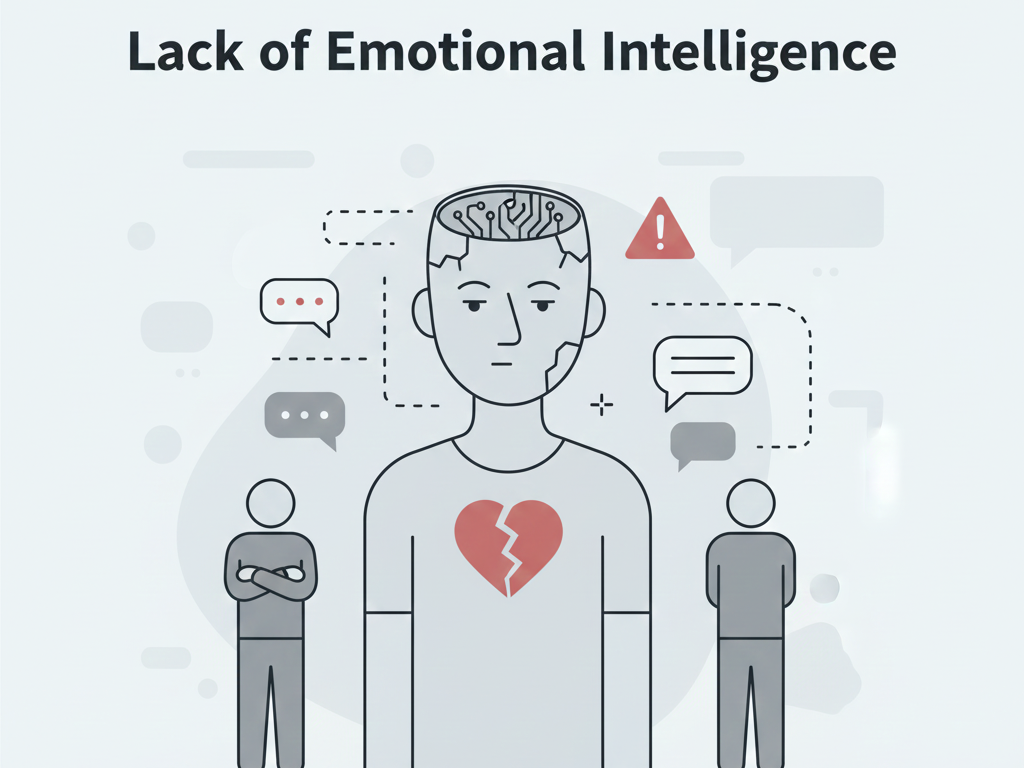
The biggest area where AI fails in marketing is emotional understanding. Humans buy products and services based on emotions like trust, fear, happiness, excitement, and empathy. AI doesn’t feel emotions. It can only catch emotional language based on existing data.
For example, marketing a hospital, NGO, or sensitive product requires deep emotional understanding. A human marketer knows how to convey care, responsibility, and compassion. AI can write grammatically correct content, but it often lacks emotional depth. Because of this, AI-created marketing messages can seem cold, robotic, or detached from real human emotions.
In emotional storytelling, humans consistently outperform AI because emotions cannot be calculated by using algorithms.
AI Cannot Truly Understand Brand Voice
Every brand has a distinct voice. Some brands are professional and serious, while others are friendly and casual. Maintaining this voice consistently across platforms is a unique brand identity. AI often struggles here.
When businesses is totally depended on AI, their content can become generic. Blog posts, ads, emails, and social media captions can look and feel the same. This is because AI is trained on existing content and patterns, not your brand’s personality.
Human marketers deeply understand brand tone, values, and messaging. They know when to be formal, when to be emotional, and when to be bold. Brand voice isn’t data-driven; it’s experience-driven, and this is where AI falls short..
Poor Cultural and Contextual Understanding
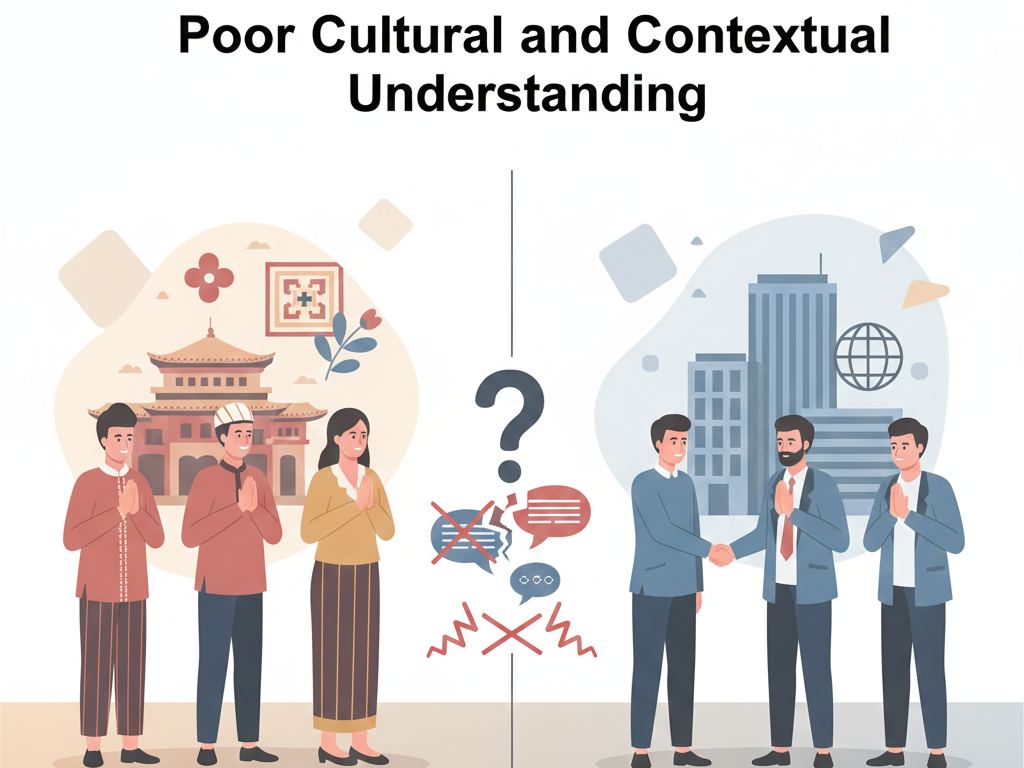
Marketing is deeply connected with culture, language, and local behaviour. AI often fails to understand cultural sensitivities, regional, and social context. This becomes a serious issue when marketing to reach audiences.
For example, Indian audiences respond differently than global audiences. Language styles like Hinglish, local festivals, traditions, and emotions play a major role in communication. AI can create content that is technically correct but culturally inappropriate or irrelevant.
A human marketer understands timing, tone, and cultural values. This human insight helps avoid mistakes that can damage a brand’s reputation. Context matters in marketing, and AI still struggles to understand it properly.
AI Fails at True Creative Originality
Creativity is the most essential elements of successful marketing. Viral campaigns, emotional ads, and powerful brand stories come from original ideas. AI do not create anything from himself he gather and collect information form web.
AI can help you to generate ideas, but it can’t create something entirely new. It cannot match human intuition, bold decisions, or creative depth. Many of the successful marketing campaigns were risky, emotional, and unpredictable—qualities that AI can’t replicate.
Human creativity is driven by experiences, emotions, and imagination. AI can assist the creative process, but original ideas only comes in human minds, not in algorithms..
Over-Automation Reduces Customer Trust
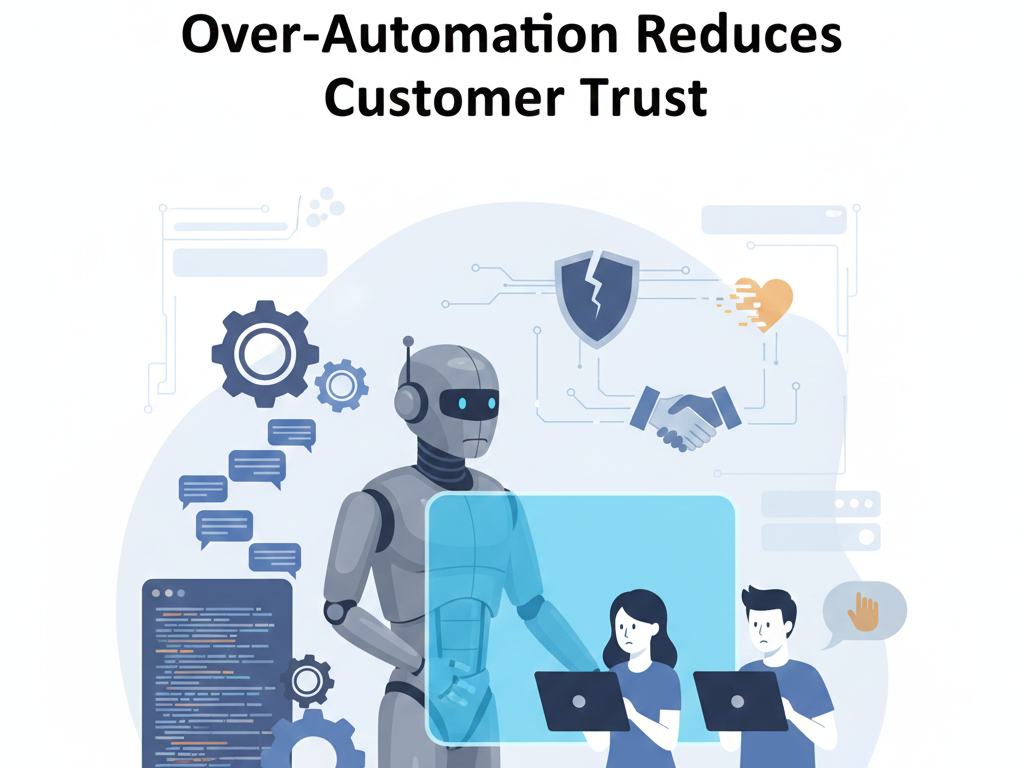
Automation can save time, but too much automation can harm customer relationships. Many of brands now use AI chatbots, automated emails, and auto-responses everywhere. This increases efficiency, but it cant solve all doubts of customer.
People want to feel hearing and understanding concepts. When customers receive robotic responses or useless automated messages, they don’t trust fully. They want real answers, empathy, and problem-solving, especially during complaints or confusion.
Human support builds trust and loyalty. AI can handle basic questions, but true customer relationships require human interaction. Excessive automation may save money in the short term, but it can lead to lost trust in the long term.
AI Cannot Build Long-Term Marketing Strategy
AI is the best for optimizing short-term performance, such as improving click-through rates or reducing ad costs. Marketing is not always to just about immediate results. It’s about long-term brand growth, positioning, and reputation.
Strategic planning requires experience, market understanding, and long-term thinking. AI doesn’t understand our future goals, business value, or competitive positioning like we do. It cannot think where our brand should be in five years.
Human marketers analyze trends, customer behavior, competition, and business vision simultaneously. Strategy requires judgment, not just data, and this is a major limitation of AI.
Ethical and Trust Issues in AI Marketing
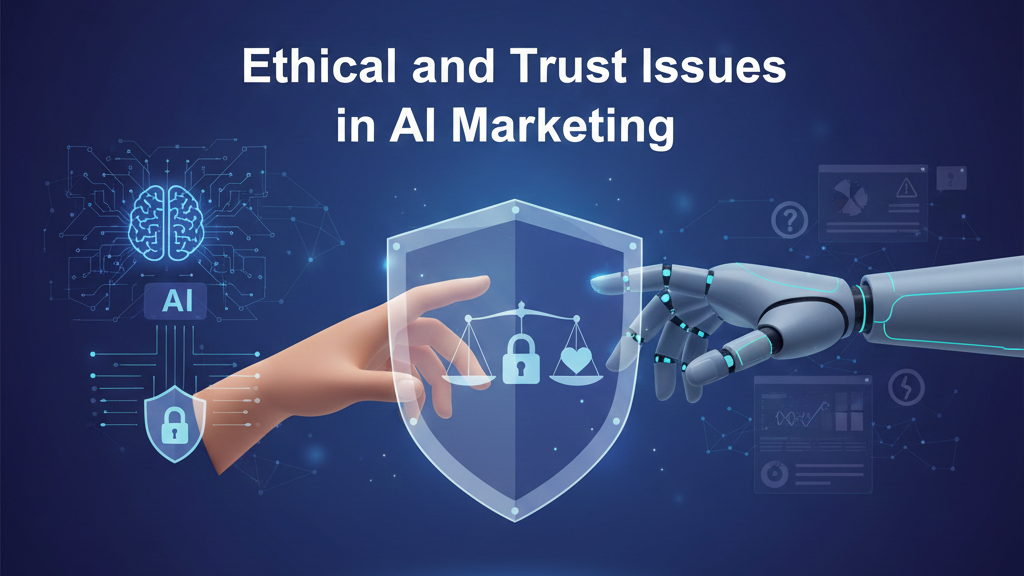
Using always AI may not be always accurate. Sometimes it provides inaccurate information, misleading claims. This can be dangerous in marketing, especially for industries like healthcare, finance, or education.
There are also concerns about data privacy and the misuse of customer information. Blindly trusting AI tools without human research can lead to ethical issues and legal risks. Even a single mistake can damage a brand’s credibility.
Checking Final Conclusion by Human is essential to ensure accuracy, integrity, and ethical marketing practices. Trust cannot be automated.
Where Humans Beat AI Every Time
Humans beats AI in many critical marketing areas. They understand customer pain points, read between the lines, and build emotional connections. Humans can manage emotions, handle sensitive situations, and Define Solutions effectively.
Relationship-based marketing, storytelling, and trust-building are areas where humans always win. These skills come from empathy, experience, and emotional intelligence—qualities AI simply does not have.
The Right Approach: Human and AI Together
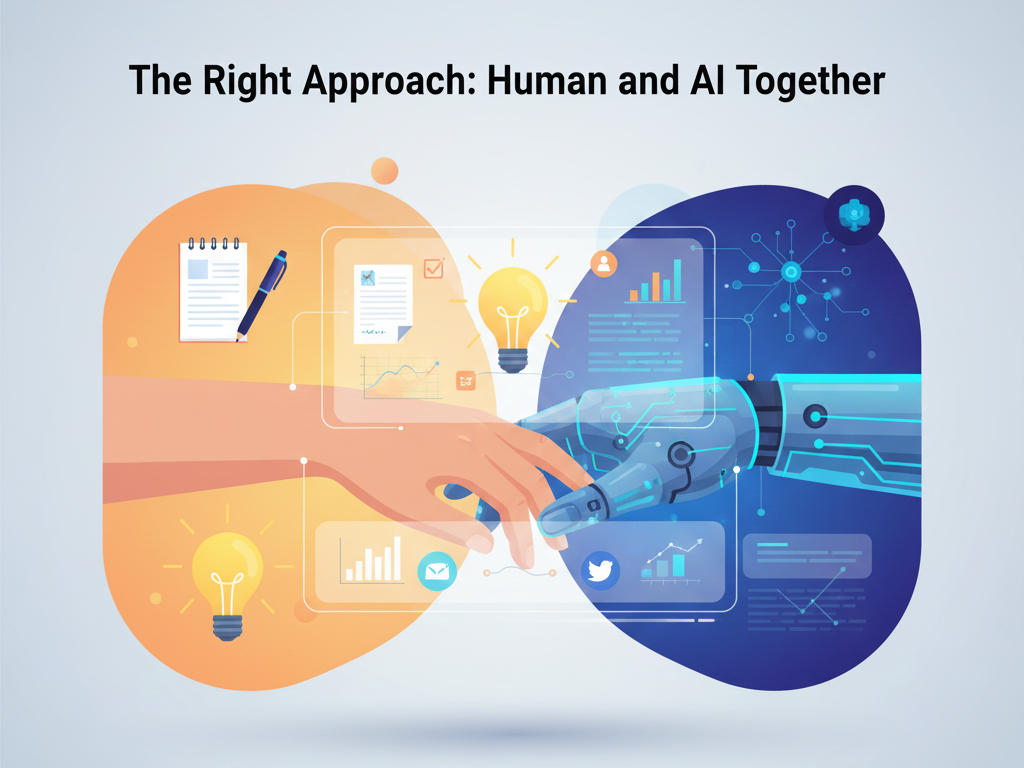
The future of marketing is not about AI vs Human. Its about AI + Humans. AI should used as a support system, not a replacement. You can assist AI with research, data analysis, content drafting, and automation.
Strategy, creativity, emotional messaging, and final decision-making should be done by humans beings. This hybrid approach combines the speed of AI with the understanding of human intelligence.
Businesses that understand this balance will outperform those that rely solely on AI or ignore it entirely.
Final Thoughts
AI has transformed marketing, but it has not replaced humans beings. It is fast, efficient, and powerful, but it don’t have emotions, creativity, and understanding. Marketing is just not about to gain profit you should also think for long term business growth.
AI can do Fast marketing, but only humans can make it meaningful. The brands that will succeed in the future will be those that use AI wisely and put human creativity and strategy.
Frequently Asked Questions (FAQs)
Q1. Where does AI fail the most in marketing?
Ans- It fails in most in understanding human emotions, brand voice, and cultural context. Marketing needs empathy and creativity, which AI cannot fully replicate.
Q2. Can AI completely replace human marketers?
Ans- No. AI can support marketers with data, automation, and speed, but human thinking, strategy, and creativity are still essential.
Q3. Is AI-generated marketing content bad for businesses?
Ans- AI content is not bad, but using it without human editing can harm brand trust. Human review ensures quality, accuracy, and emotional connection.
Q4. Why do some AI-driven marketing campaigns fail?
Ans- They fail because AI lacks real customer understanding, emotional insight, and long-term strategic thinking.
Q5. What is the best way to use AI in marketing?
Ans- The best approach is a hybrid model—use AI for efficiency and humans for strategy, creativity, and decision-making.