
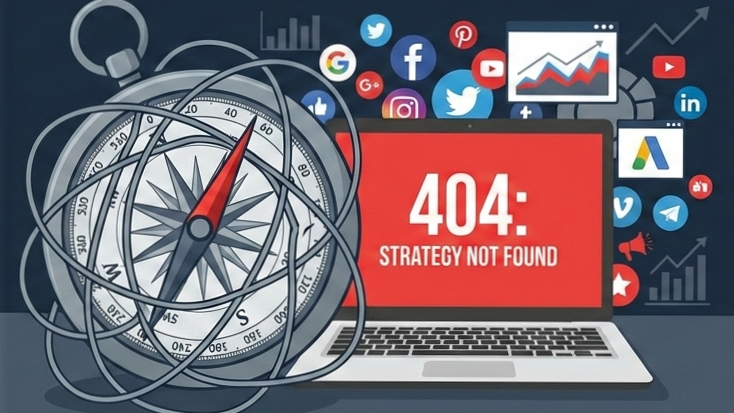
Digital marketing looks best from outside. Social media posts promise quick income, laptops on beaches, and overnight success. Many beginners enter this field with high hopes—but within a few months, most of them quit or struggle badly. This failure isn’t because digital marketing doesn’t work. It’s because new digital marketers often make the same avoidable mistakes.
In this depth guide, we’ll cover all the real reasons why most new digital marketers fail, the harsh truths no one talks about, and what you can do differently to actually succeed. If you’re serious about building a long-term career or business in digital marketing, this article can save you years of frustration.
1. Unrealistic Expectations and the “Quick Money” Mindset

One of the biggest reasons beginners fail is unrealistic expectations. Many people start digital marketing believing they’ll earn money in 30 days just by posting content or running a few ads. This belief usually comes from misleading YouTube videos and social media gurus.
In reality, digital marketing is a skill-based profession, not a lottery. Just like learning coding, designing, or sales, it takes time to understand platforms, audiences, data, and strategy. When results don’t come quickly, beginners lose motivation and quit.
Those who succeed enter the field with a long-term mindset. They understand that the first few months are about learning, testing, and failing forward—not earning big money.
2. Learning Too Many Things at Once
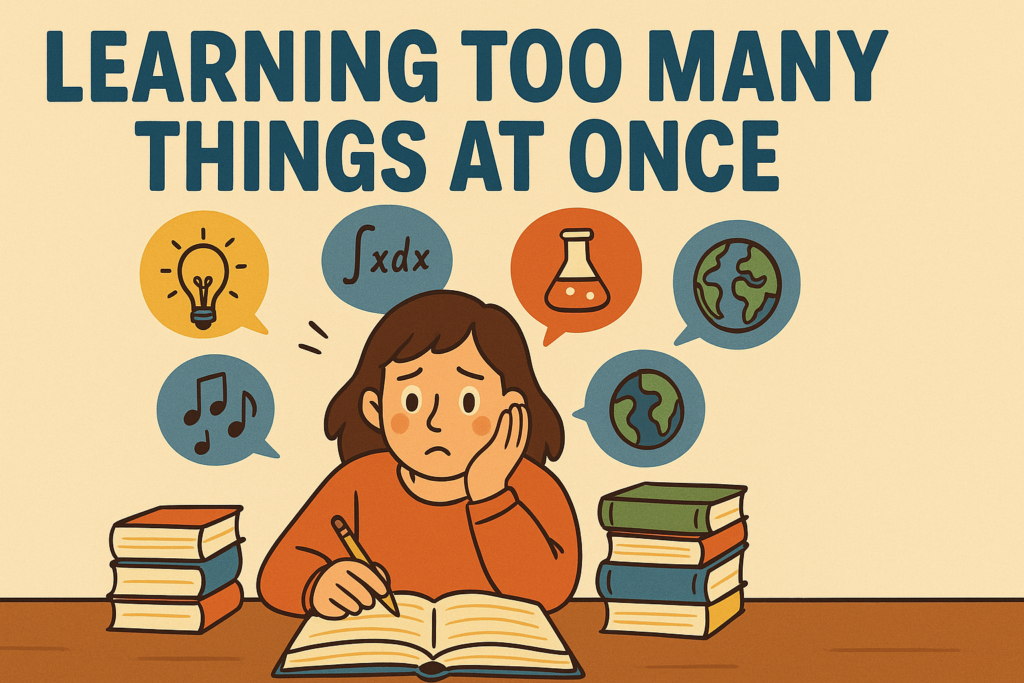
Digital marketing is best field. SEO, social media marketing, paid ads, email marketing, content writing, funnel building, analytics—the list is endless. Most beginners try to learn everything at the same time.
This leads to confusion, overwhelm, and zero mastery. They watch random tutorials, jump between strategies, and never become truly good at any one skill.
Successful digital marketers do the opposite. They pick one core skill, master it deeply, and then expand. Focus beats variety—especially in the beginning.
3. No Practical Implementation (Only Theory)

Another major reason for failure is consuming content without taking action. Many beginners watch courses, attend webinars, and read blogs—but never actually apply what they learn.
Digital marketing is not something you can understand fully through theory. Algorithms, audience behavior, and tools change constantly. The real learning happens when you:
- Run a campaign
- Write content and track performance
- Optimize based on data
- Make mistakes and fix them
Without hands-on practice, confidence never develops—and without confidence, clients and results never come.
4. Ignoring Fundamentals and Chasing Hacks
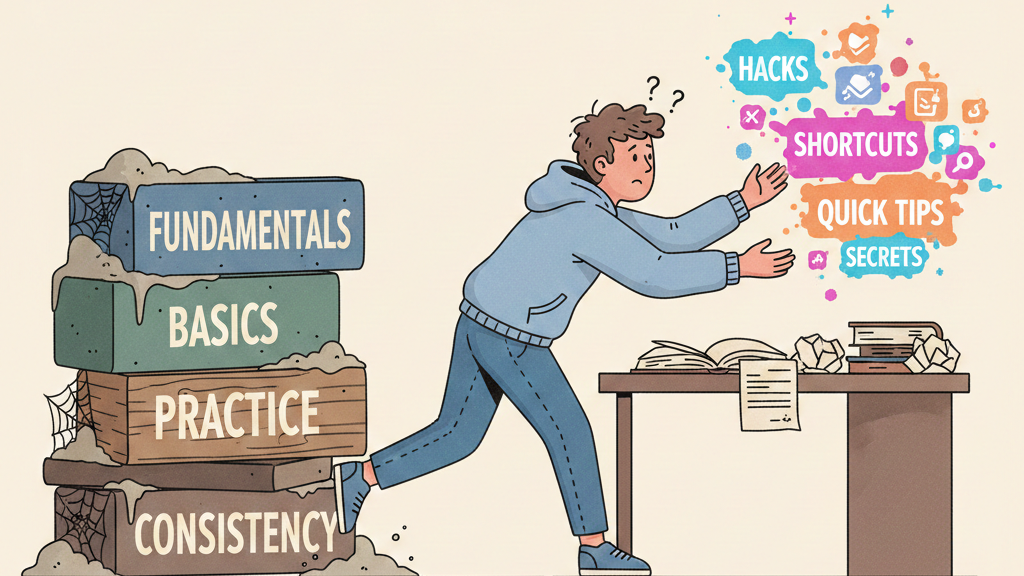
Beginners often look for shortcuts—growth hacks, secret tricks, or viral formulas. While tactics matter, they don’t work without strong fundamentals.
Fundamentals like:
- Understanding your target audience
- Writing clear value-driven messages
- Learning basic copywriting
- Knowing how funnels work
- Reading analytics properly
Without these basics, even the best tools and hacks fail. Digital marketing success is built on strategy, not tricks.
5. Fear of Selling and Pricing Their Skills
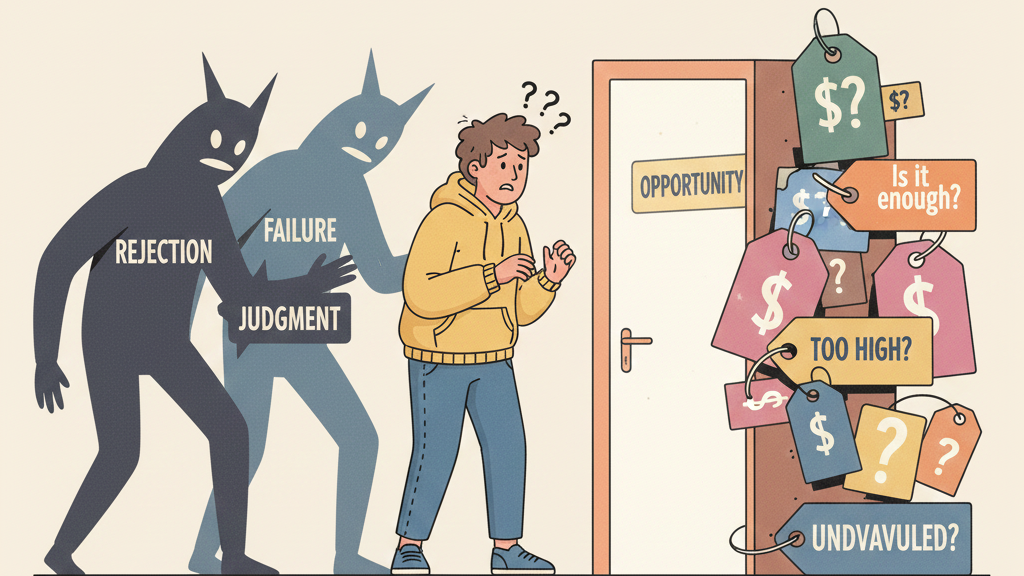
Many new digital marketers struggle with selling. They hesitate to approach clients, underprice their services, or work for free for too long. This creates burnout and self-doubt.
Selling is not manipulation—it’s communication. If you believe your skills can help a business grow, charging for them is justified.
Those who fail often avoid learning:
- How to pitch confidently
- How to explain results in simple language
- How to price based on value, not fear
Digital marketing is both a skill and a business. Ignoring the business side leads to failure.
6. Depending Too Much on One Platform

Many beginners build their entire career on one platform—Instagram, Facebook, Google Ads, or YouTube. When algorithms change or accounts get restricted, their entire system collapses.
Platform dependency is risky. Smart marketers focus on:
- Building email lists
- Creating websites or blogs
- Developing multiple traffic sources
- Owning their audience
Platforms should be tools, not foundations. Ownership is what creates long-term stability.
7. Lack of Patience and Consistency
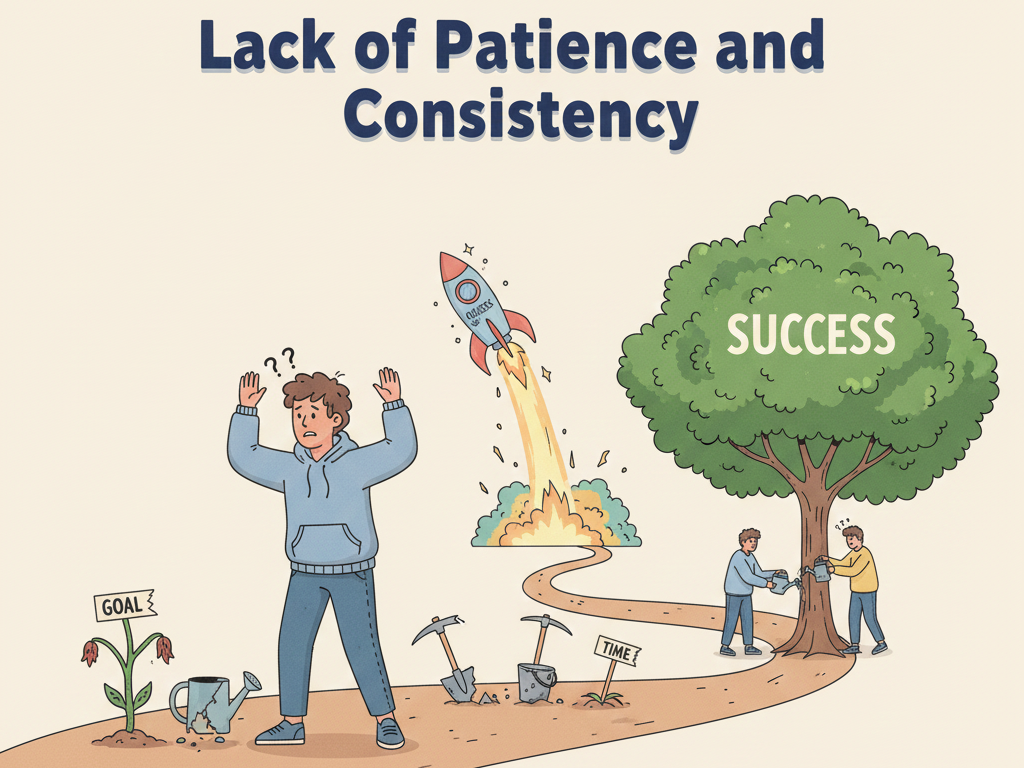
Digital marketing rewards consistency—but punishes impatience. Many beginners post content for two weeks, see no traction, and give up.
SEO takes months. Branding takes time. Trust takes repetition.
Successful marketers show up daily even when:
- Engagement is low
- Clients say no
- Results feel slow
Consistency compounds silently. Those who quit early never experience the compounding effect.
8. Not Building a Personal Brand or Authority

In a crowded market, skills alone are not enough. People trust faces, voices, and stories—not anonymous profiles.
Many new digital marketers hide behind generic pages instead of:
- Sharing their journey
- Posting educational content
- Showing case studies
- Building credibility
A personal brand doesn’t mean being famous. It means being visible and trustworthy. Those who avoid this step struggle to attract quality clients.
9. Poor Time Management and Discipline
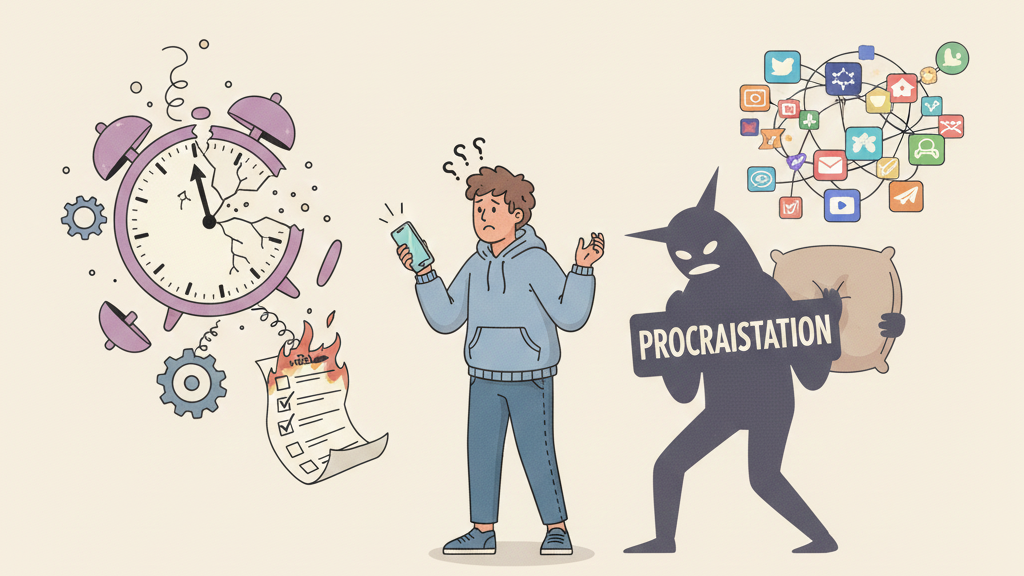
Digital marketing often involves remote work and flexible hours. While this sounds attractive, it requires strong self-discipline.
Beginners fail because they:
- Work without schedules
- Get distracted easily
- Mix learning and execution poorly
- Lack daily structure
Treating digital marketing like a hobby results in hobby-level income. Treating it like a profession creates professional results.
10. Giving Up Too Early
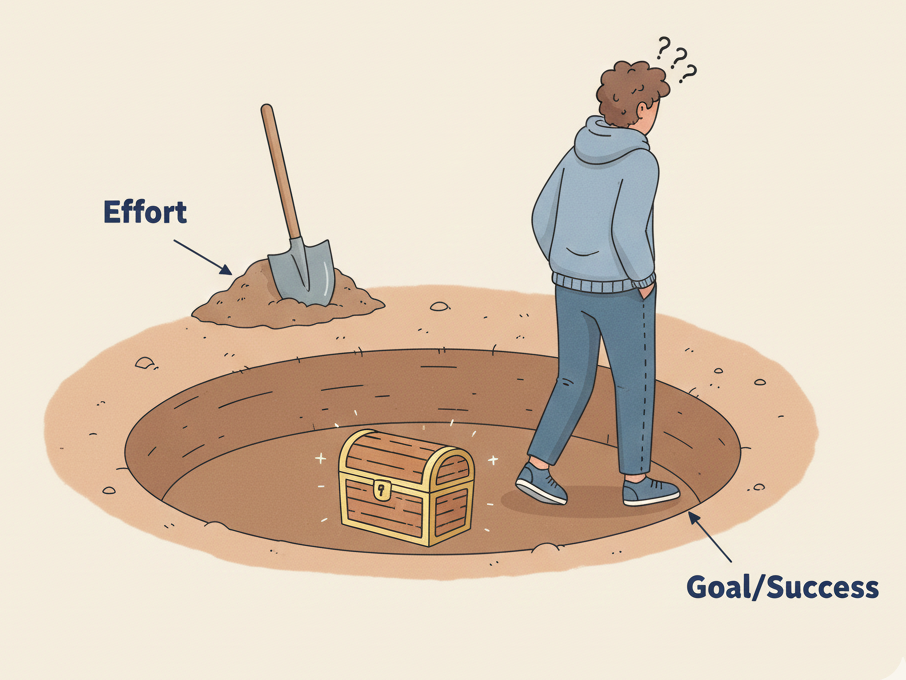
The final and most common reason for failure is simple: giving up.
Every successful digital marketer has faced:
- Failed campaigns
- Lost clients
- Low engagement
- Self-doubt
The difference is not talent—it’s persistence. Those who stay long enough, learn from mistakes, and adapt eventually win.
Digital marketing success is not about being the smartest. It’s about being the most consistent learner.
How to Avoid Failure as a New Digital Marketer
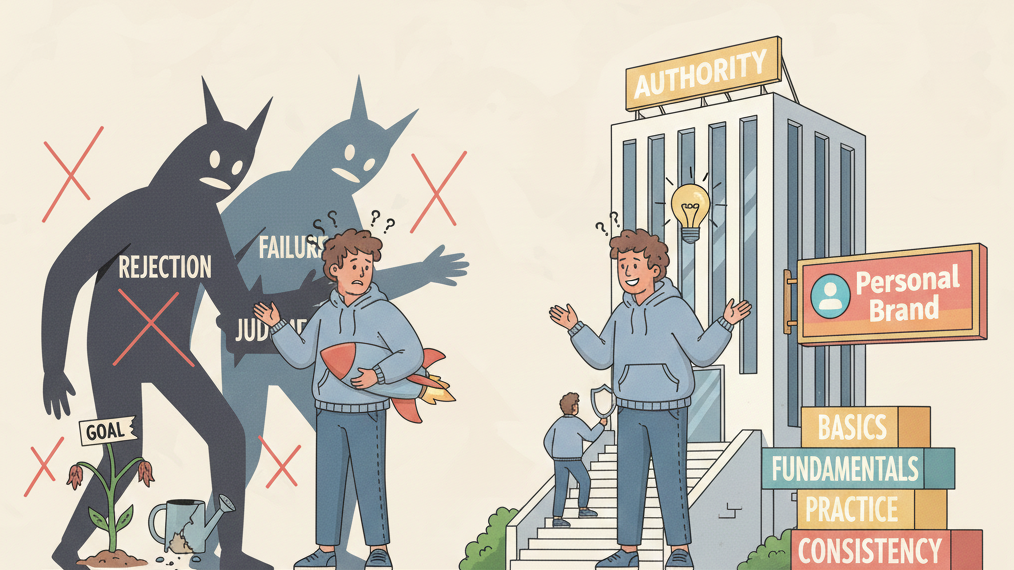
To succeed where most fail:
- Set realistic expectations
- Choose one skill and master it
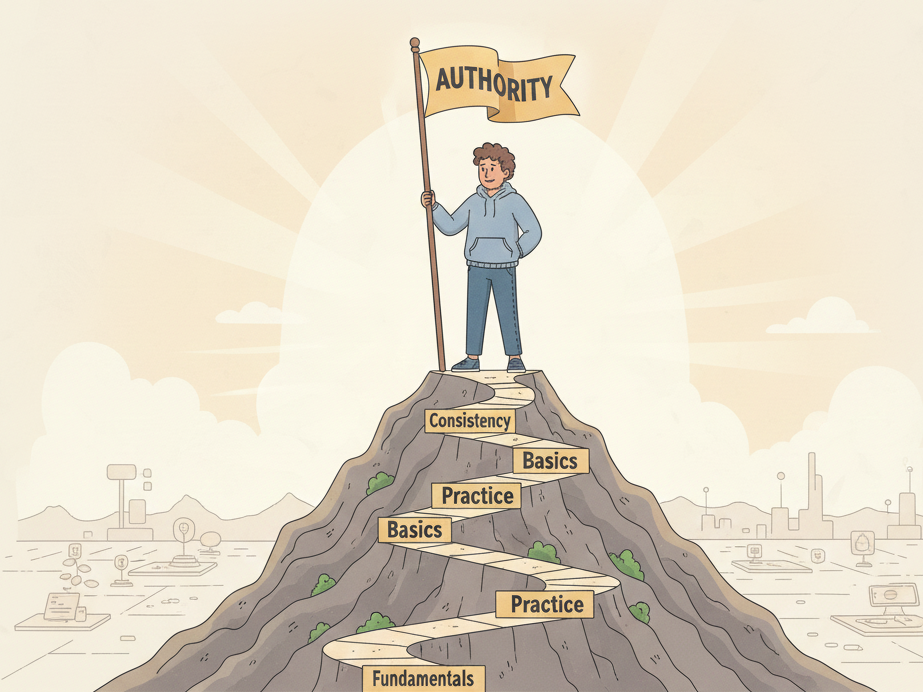
- Practice daily on real projects
- Learn fundamentals deeply
- Build authority and trust
- Stay consistent for at least 12 months
Digital marketing is one of the most powerful skills of this decade—but only for those who treat it seriously.
Final Thoughts
Most new digital marketers don’t fail because they lack intelligence or opportunity. They fail because they follow the wrong mindset, chase shortcuts, and quit too early.
If you’re willing to learn patiently, apply consistently, and think long-term, digital marketing can become a life-changing career. The path is difficult—but the rewards are real.
FAQs
1. How long does it take to succeed in digital marketing?
Usually 6–12 months of consistent learning and practice to see stable results.
2. Is digital marketing too saturated?
No. The demand is growing, but only skilled and serious marketers succeed.
3. Should beginners start with SEO, ads, or social media?
Start with one based on interest, but SEO and content are great long-term skills.
4. Can I learn digital marketing without paid courses?
Yes, but structured learning saves time and reduces confusion.
5. Is digital marketing a good career in 2026 and beyond?
Absolutely. Businesses will always need online growth and visibility.
Reach Us For More Details:
Pingback: Why Digital Marketing Agencies Fail in the First 2 Years